Dive Brief:
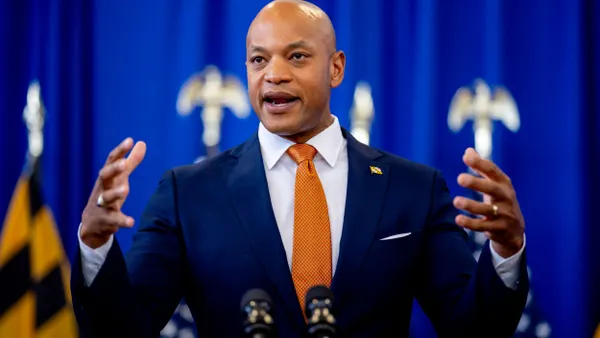
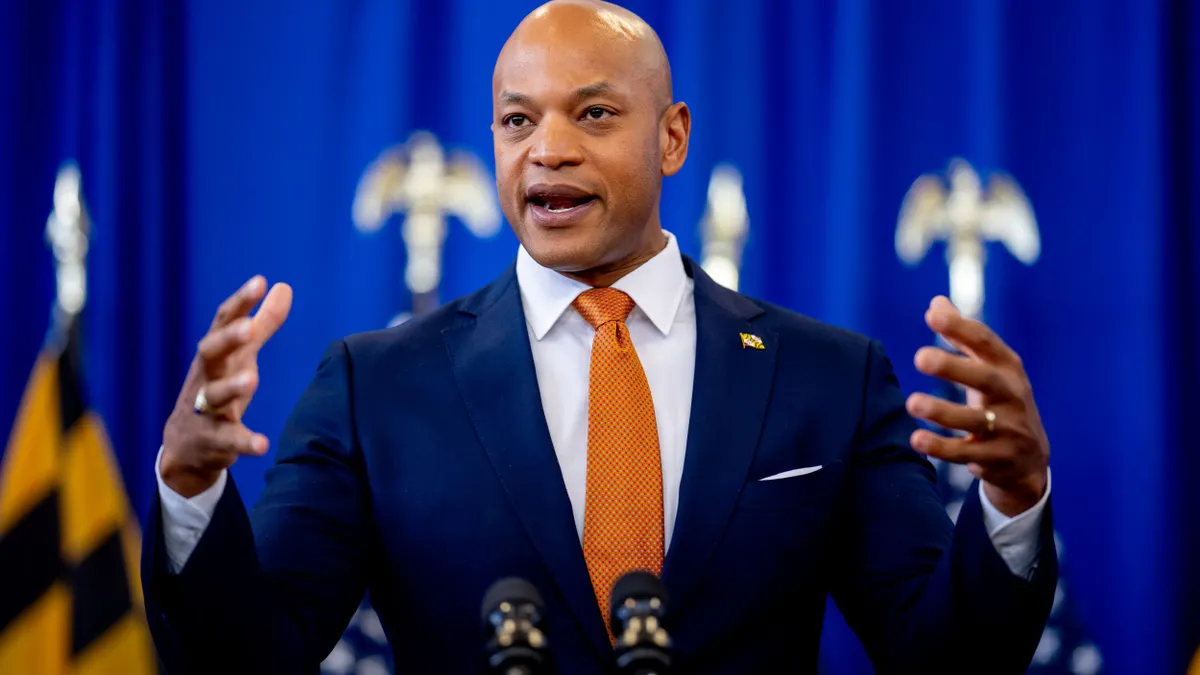
- Maryland Gov. Wes Moore on Tuesday put forth a new artificial intelligence framework outlining how his administration will approach the technology with Maryland workers as well as state residents more broadly in mind.
- The framework aims to bring together stakeholders to support workers as jobs and skills needs change, invest in reskilling and upskilling, establish a labor-management committee to work with unions on AI integration, work with the legislature and stakeholders to ensure the “most concerning” aspects of AI are regulated, and strengthen education and career transition pathways.
- Maryland is among the growing number of states to move toward regulation of AI in the workplace; six states and New York City have already passed laws specific to AI in hiring.
Dive Insight:
While AI had already been one of the most-discussed policy topics of the past few years, the conversation has taken on new urgency in the wake of unified warnings in recent weeks from workers and leaders at frontier AI companies that without proper regulation, the technology could lead to devastating consequences.
Despite warnings and urgent calls from Capitol Hill lawmakers to come up with a plan to regulate the technology, President Trump initially resisted the pressure. Over the weekend, he announced plans for an AI task force headed by a new czar, although he maintained AI safety concerns were a “hoax” and reports have suggested a lack of coordination with Congress on the idea.
Meanwhile, states have taken on a leadership role — in regulating both AI safety and its role in the workplace.
While much of the focus has been on making employers liable for discrimination propagated by AI in hiring, states are exploring other restrictions in the workplace as well.
As with many other laws, California has largely paved the way. In late August, the state passed a bill that would prohibit employers from using AI tools that surveil an employee’s individual emotional state or collect “neural data.” The state also passed the “No Robo Bosses Act” around the same time, which would prevent employers from relying solely on AI when firing or disciplining workers. Gov. Newsom vetoed a version of the latter bill last year, taking issue with its “overly broad restrictions.”
Gov. Newsom has until Sept. 30 to sign or veto both bills.
While the framework Moore established begins with forming committees and gathering stakeholders, Maryland does already have one law regulating how employers use facial recognition software during job interviews.
“With the speed with which AI is moving, Marylanders deserve guardrails that safeguard their rights, privacy, and dignity,” Moore said in the announcement from his office. “This technology is already here, and we believe Maryland is the best state in the country to benefit from the promise of AI responsibly — but we can’t afford to wait while Washington sits on their hands. These core principles will guide our every action to protect our people, center our workers, and keep our kids safe.”