Dive Brief:
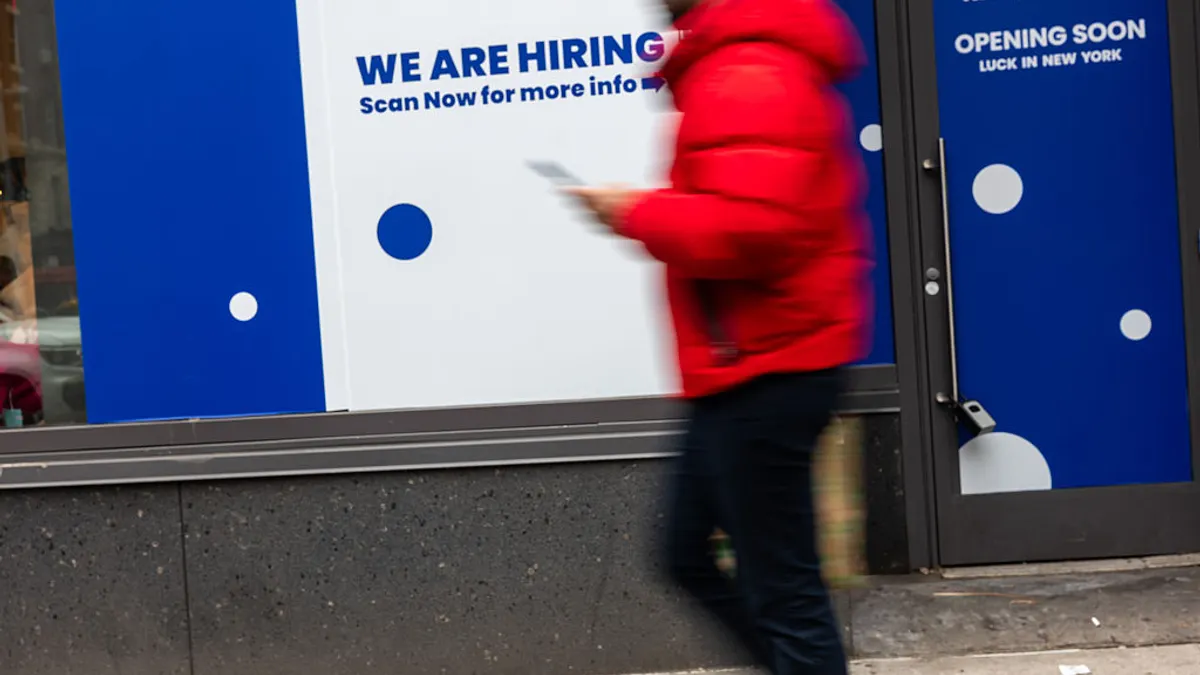
- Many people are susceptible to digital job scams these days, research from LinkedIn indicates: Nearly 3 in 4 professionals said they sometimes stop and think about an open role’s legitimacy before applying, with just over 1 in 4 saying they always do.
- Research also shows that Generation Z is particularly vulnerable. About one-third (32%) of young professionals confessed that they ignored red flags due to the competitiveness of the current job market.
- For employers looking to attract Gen Z talent or new workers overall, establishing trust is crucial: “People are essentially looking for ‘proof of life’ before they apply,” LinkedIn researchers said.
Dive Insight:
Along with employer ghosting, job scams seem to be a pervasive issue amid the modern job search. Just over a quarter of respondents in a Remote.co survey have either been a victim of one or more job scams, or have narrowly avoided one because they recognized the warning signs.
According to the data, the most important trust signal is a company’s reputation, with “the environment where they find the job” ranking close behind. About half of respondents told researchers they check to see if the job appears on the company’s own careers site.
Regarding LinkedIn as a platform, a potential job seeker is looking for a recruiter who “looks real” or has a verified badge, the company said.
In this day and age, the need for verification goes both ways: A burgeoning category of cybercrime is the existence of fake job candidates and employees, including state actors that may funnel away company funds once hired.