Dive Brief:
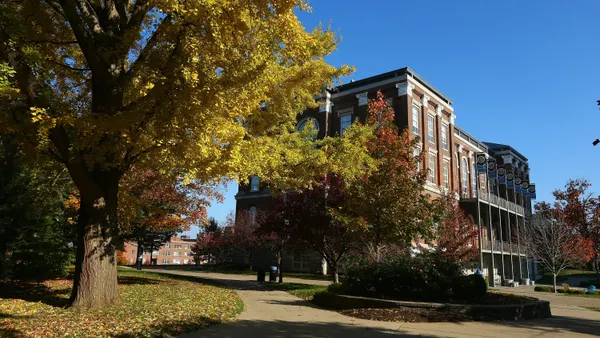
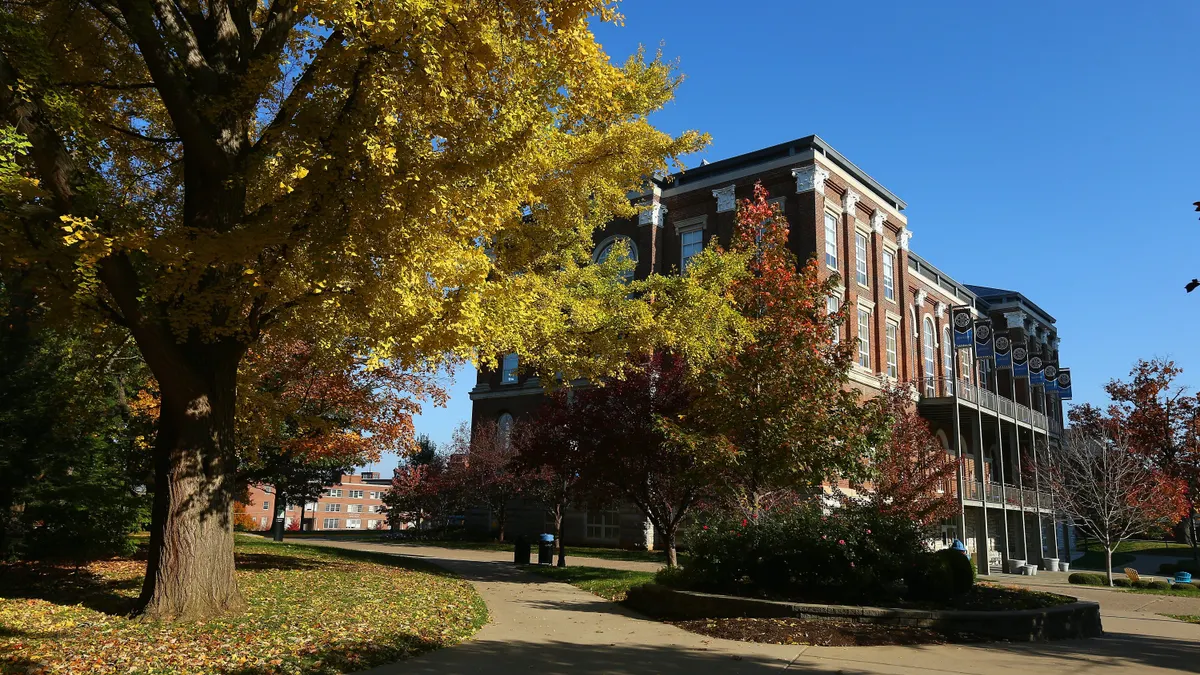
- A humanist employee of the University of Kentucky applied for and was granted a workplace religious accommodation excusing him from using artificial intelligence, the nonprofit American Humanist Association announced Oct. 26.
- AHA said in a press release that the university granted the request in late September, adding that the institution’s equal opportunity office concluded that nonuse of AI posed no undue burden on the employee’s department. AHA quoted the employee, who said using AI “violates my deeply held Humanist beliefs which demand I take personal responsibility for the morality of my actions.”
- The organization praised the university for approving the accommodation, adding that “comprehensive non-theistic belief systems like Humanism” are entitled to the same constitutional protections as other beliefs. AHA’s announcement demonstrates an emerging compliance issue employers face as workplace AI meets religious beliefs.
Dive Insight:
AI’s adoption has raised a number of compliance considerations for employers, and employment law experts have warned that religious objections to AI use could increasingly come to the forefront. That’s in part because religious discrimination claims have already climbed in the years following the COVID-19 pandemic, but it is also due to the ethical and moral questions that surround AI use.
In his statement, for instance, the University of Kentucky employee cited AI’s environmental costs, its “interference with people’s ability to earn a living” and its “supplanting and theft of human creativity.” The employee said these factors meant that use of AI would go against his conscience.
Jay Blanton, spokesperson for the university, said in an email that the institution reviews religious accommodation requests on an individual basis. It concluded that the employee in question, a research administrator, could perform the essential functions of his job with the requested accommodation.
“As technology and job responsibilities evolve, accommodations may be reviewed to ensure they remain reasonable and workable,” Blanton noted.
It’s not the first reported instance of a U.S. employee being granted religious accommodation with respect to AI. In June, Business Insider reported that a North Carolina-based Unitarian Universalist employee who worked as a software engineer received an AI accommodation after she raised environmental and ethical objections to the tech.
Under employment laws like Title VII of the 1964 Civil Rights Act, employers may deny an employee’s proposed religious accommodation if they can show that it poses an undue hardship.
But that calculation has shifted in recent years thanks to a landmark 2023 U.S. Supreme Court decision. In Groff v. DeJoy, SCOTUS held that, in order for a proposed accommodation to pose undue hardship, the burden must be substantial in the overall context of the employer’s business. Legal experts previously told HR Dive that this is a higher bar than the court’s prior precedent, which defined undue hardship as that which poses a “more than de minimis cost.”
In addition to defining when AI use might pose an undue hardship, employers also may consider drafting AI ethics policies that address areas such as data privacy, discriminatory decisions and the role of humans in making final business decisions.