Amid diversity, equity and inclusion crackdowns, the wage gap is widening.
Payscale reported in March that the gender pay gap has grown in 2026. Then MyPerfectResume released its analysis of U.S. Bureau of Labor Statistics data in July, suggesting men outearn women annually by more than $12,000 on average.
Black women may be the only demographic of women to work full-time and year-round but see their wages fall behind, according to a report released Sept. 15 by the National Women’s Law Center, which analyzed U.S. Census Bureau data.
Per 2025 data, Black women made $0.64 for every dollar White, non-Hispanic men made. Previously, the metric was $0.65 in 2024 and $0.69 cents in 2022. Further, NWLC Chief Program Officer Emily Martin, suggested that the recently passed tax and budget bill is creating an even bigger impact on “women’s ability to afford basic family needs.”
Moreover, the evidence of a wage gap widening for Black women and this group’s uninsurance rates rising year over year, “alongside sustained high unemployment rates among Black women, reflect an alarming trend,” Martin said.
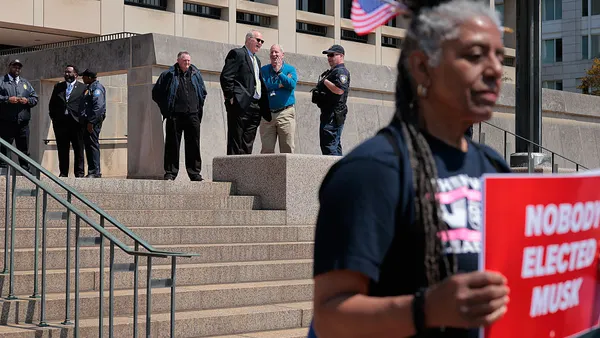
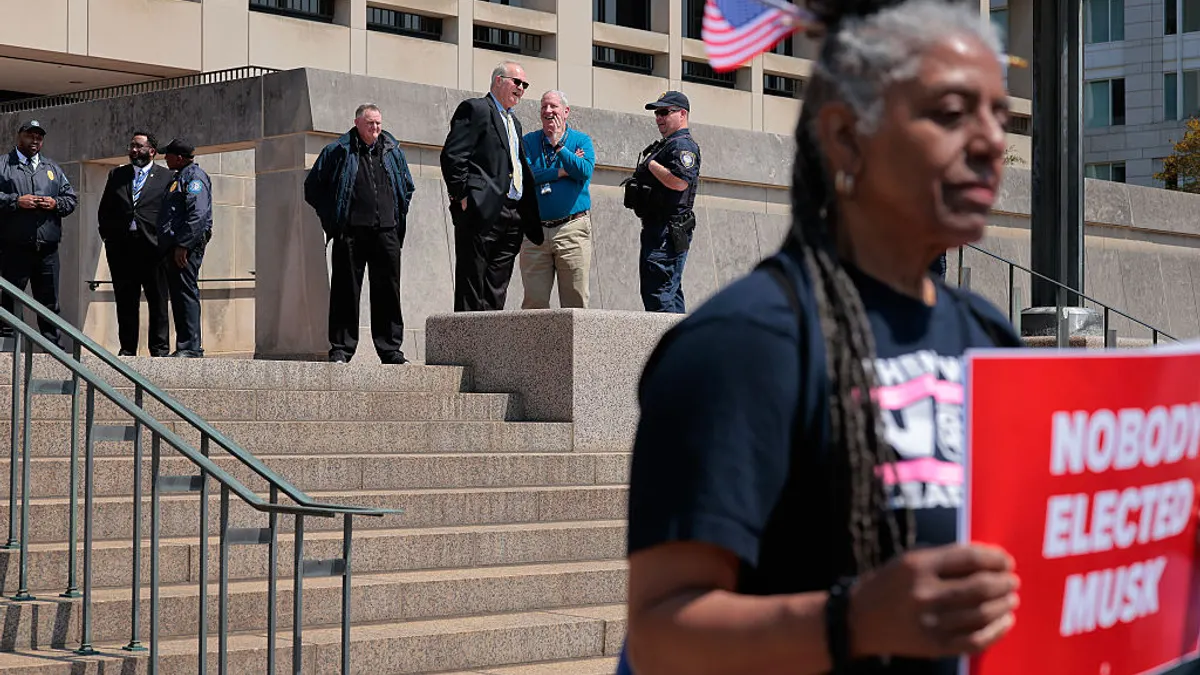
Black women’s unemployment has been a growing trend in the world of work, fueled in part by the U.S. Department of Government Efficiency. Black women were disproportionately affected by the DOGE federal cuts, according to an analysis from the Economic Policy Institute. Even a year removed from the DOGE federal worker cuts, Black women have not recovered.
For employers looking to recruit displaced federal workers such as these, Indeed’s Hiring lab has a few recruiting tips. For example, emphasize flexible work arrangements, which is something federal job-seekers have sought out, according to Indeed data.
Experts have also suggested leaning into offering benefits competitive with that idealized “good government job.”