Most-clicked story of the week
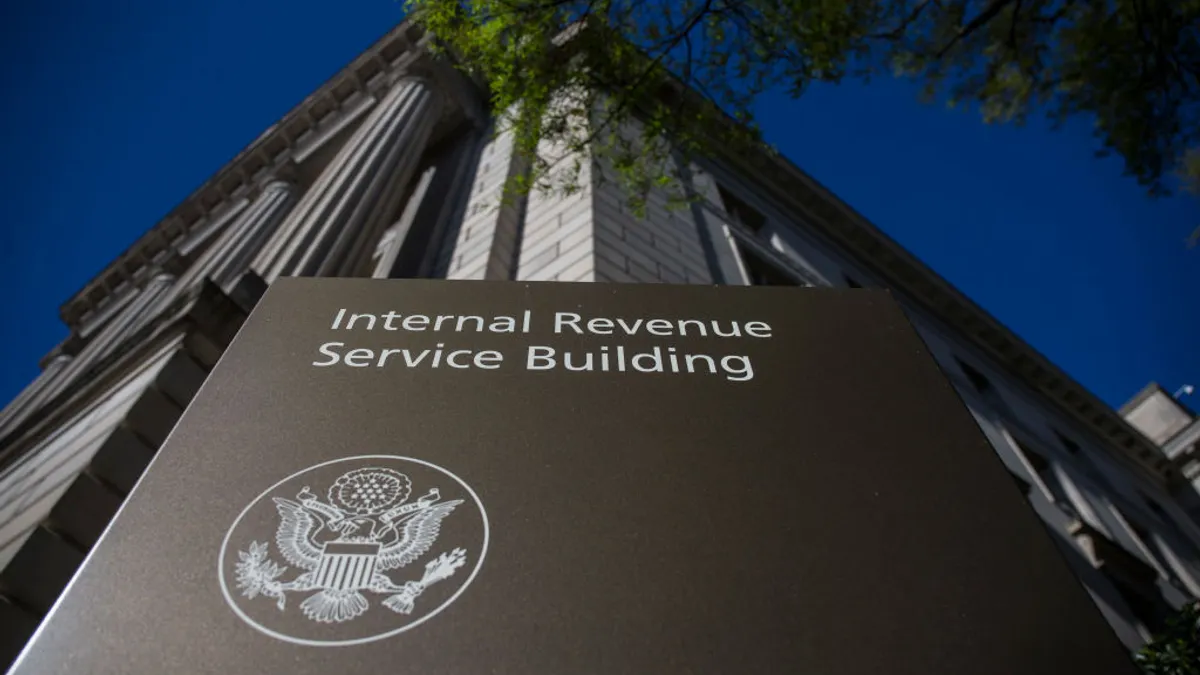
The IRS revealed a final rule Tuesday that will require employers who offer certain 401(k) and 403(b) retirement benefit plans to automatically enroll eligible employees at a contribution rate of at least 3% for plan years beginning after Dec. 31, 2027. This auto-enrollment expansion could lead to an average of $4.2 billion in retirement savings annually through 2032, according to the U.S. Treasury Department.
Number of the week: 2
The number of core factors considered in the final rule from the U.S. Department of Labor regarding whether a worker is an independent contractor. Other “less probative” factors may also be considered in the analysis, per the rule, which heavily reflects the proposed rule presented in February and is similar to a rule finalized by the previous Trump administration.
What we didn’t get to
Here is a story that grabbed HR Dive’s attention but didn’t quite make it to our coverage last week.
Do Monday check-ins prompt Sunday scaries?
Workers with a Monday morning status meeting are much more likely to use Sunday to prepare to answer questions about their productivity than those without such a meeting, per a JobAssist survey of 4,920 employed adults across the U.S., U.K., Canada and Australia who typically work Monday to Friday and are not scheduled to work on Sundays.
“A manager does not necessarily need to request weekend preparation for an employee to consider it worthwhile,” JobAssist said. “The expectation of explaining unfinished tasks can provide its own incentive to review what remains outstanding.”
That review does not always lead to additional work, JobAssist noted, and the AI job search platform also said that workers with a Monday check-in may generally have different expectations and workloads than those without. But it did say that the pressure around a check-in meeting should be observed as a potential source of tasks for workers, who may then feel they need to use their time off to ready themselves for the workweek.
Quote of the week
“If you don’t have good data and good analytics, you’re just guessing.”

Gord Frost
Global rewards solution leader, Marsh
Workers are increasingly cynical about whether they’re being paid fairly, a recent Marsh report indicated, due in part to rising costs — and a lack of transparency from employers, Frost said. But to provide that transparency, employers need to have their data in order and help leaders talk about pay appropriately. Artificial intelligence tools have helped many organizations achieve these goals, Frost noted.