Dive Brief:
- Through September 2026, 17 CEOs exits have been attributed to professional misconduct allegations, up from 5 exits total in 2025 and more than double the 8 recorded exits in 2024, according to a study from outplacement firm Challenger, Gray & Christmas. Two additional 2026 departures were linked to sexual misconduct allegations.
- Challenger, which has tracked these incidents since 2016, reported that 14 CEOs lost their jobs “specifically due to inappropriate, though consensual, workplace relationships,” the report said. That number rose sharply in 2019 following the #MeToo movement “and has remained a steady trickle ever since.”
- In a recent study, 79% of U.S. employees in toxic workplaces blamed bad leadership, citing unethical, unaccountable and unsupportive behavior. Another 39% of respondents who observed toxic behavior didn’t report it and 45% said they didn’t trust HR or leadership to help. In addition, almost half of employees said they quit a job because of workplace toxicity.
Dive Insight:
The Challenger report noted that since 2016, 42 CEOs had been removed from their positions due to allegations of sexual harassment or misconduct. Some of those incidents were especially high profile, such as in July 2025 when Astronomer’s then-CEO was seen embracing on the “kiss cam” at a Coldplay concert with the company’s chief people officer. The CEO subsequently resigned.
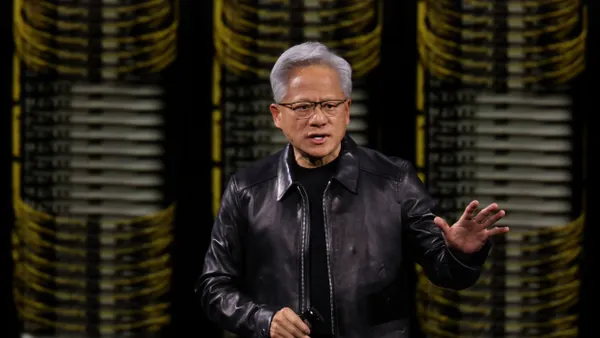
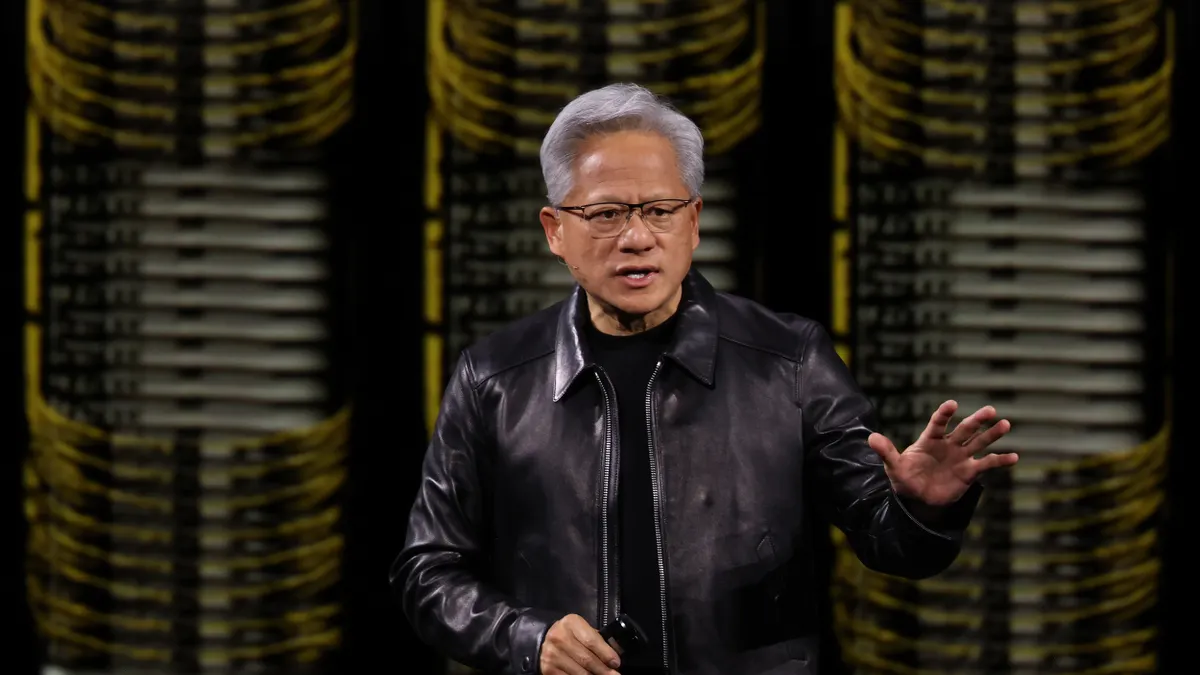
More recently, Nvidia CEO Jensen Huang told employees on Sunday that he had been having an affair with an alleged Chinese spy. That announcement prompted Nvidia’s board of directors to launch an independent investigation, and subsequent questions about who might be tapped to succeed Huang in the event of a leadership change. Huang announced his resignation Thursday.
These occurrences can have significant impacts on both employees and the overall reputation of the companies involved. In particular, when a CEO exit is conduct-related, it can have “outsized reputational weight and, as the Nvidia case shows, can move markets.”
“When the CEO of the most valuable company in the world is tied to a counterintelligence investigation because of a personal relationship, every board in America should be paying attention,” Andy Challenger, chief revenue officer for Challenger, Gray & Christmas, said in a statement. “It’s not just a question of romance or morality anymore. It’s a question of judgment, national security exposure, shareholder trust, and whether the person at the top can be relied on to protect the enterprise.”
While most organizations allow romantic relationships among peers in the workplace, those often come with significant guardrails put in place and management by HR team members. Challenger’s report noted that company policies generally “require disclosure when one party manages the other, so the company can assess conflicts around promotions, pay, and access.” In addition, these kinds of relationships may be prohibited at the senior leadership level “because the power differential is impossible to neutralize.”
“After 2017, companies became starkly aware of the public-opinion risk of any unbalanced power dynamic that could lead to impropriety,” Challenger said. “Investigations were launched in the wake of MeToo, and the removal of CEOs engaged in any kind of unethical romantic relationships followed. What’s changed since then is that the definition of ‘risk’ has gotten broader. It is no longer just a harassment question or a favoritism question. It is a security question, a disclosure question, and a brand question all at once.”
Challenger added that establishing and maintaining professional corporate ethics is critical.
“The standard set for company behavior comes from the top,” he said. “Creating safe environments that foster innovation, creativity, and progress requires that the standard be met by the person in the corner office. When it isn’t, boards are no longer willing to wait.”