Workers over age 55 make up almost a quarter of the workforce (23.2%), according to a report from MyPerfectResume. Moreover, according to researchers, the growth of the older workforce outpaces the general workforce. Likewise, the share of workers over age 65 increased by more than 40%, according to the report.
But this is not the first time that researchers have noted that older workers are staying in the workforce longer. According to an April 2026 report from National Bureau of Economic Research, the age at which CEOs have been appointed has jumped 10 years between 2000 and 2023. Researchers theorized that greater “uncertainty” in the business world has “causally contributed to the appointment of older CEOs.”
For employers, this means a greater breadth of generations is working together than in prior decades. Workplace experts have highlighted how Generation Zers and millennials make up a large share of the workforce; Gen Z surpassed baby boomers in the workforce for the first time in late 2023, according to the U.S. Department of Labor. Together, millennials and Gen Z make up more than half of the total workforce, per DOL data.
In this same vein, so much research has been conducted about Gen Z at work, positioning these insights as the key to unlocking the future of work: Gen Zers want on-the-job experiences that can’t be digitized. Gen Zers might be bringing their parents to interviews. And each graduation season, like clockwork, brings even more findings about Gen Z talent — such as this report about recent graduate career confidence.
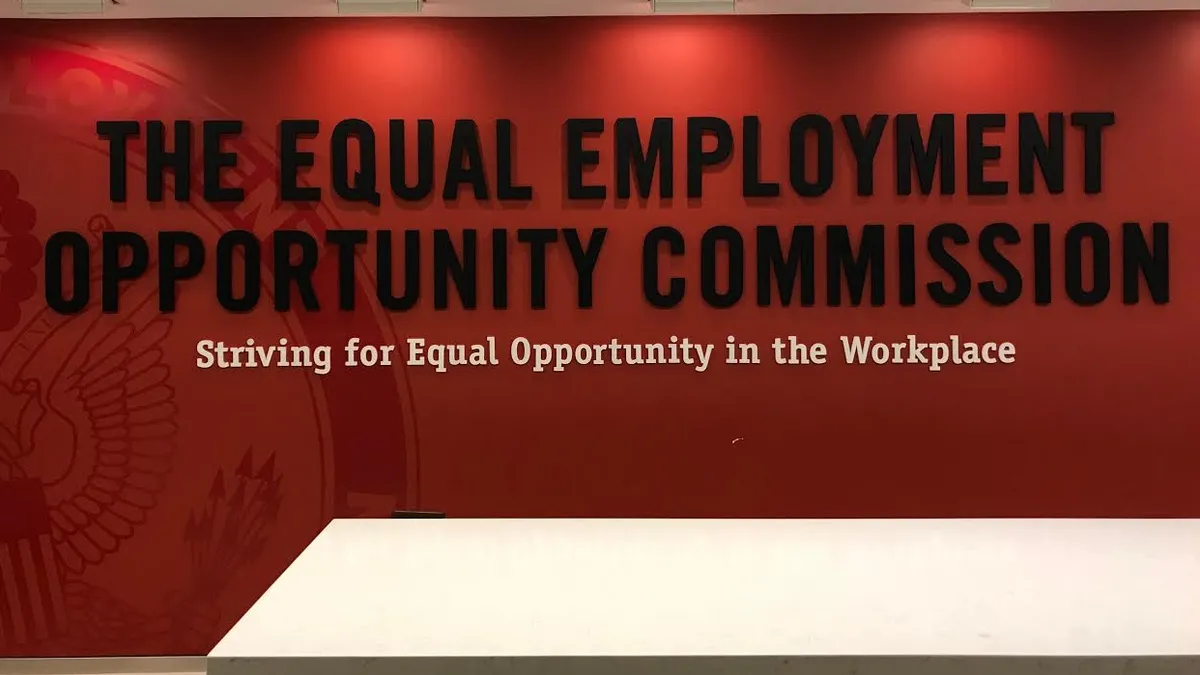
Still, as ageism at work and alleged violations of the Age Discrimination in Employment Act continue to make headlines, many researchers have been looking to uncover the needs of older talent at work. Some researchers even said this year that Generation X is the key to bridging generational gaps at work.