Dive Brief:
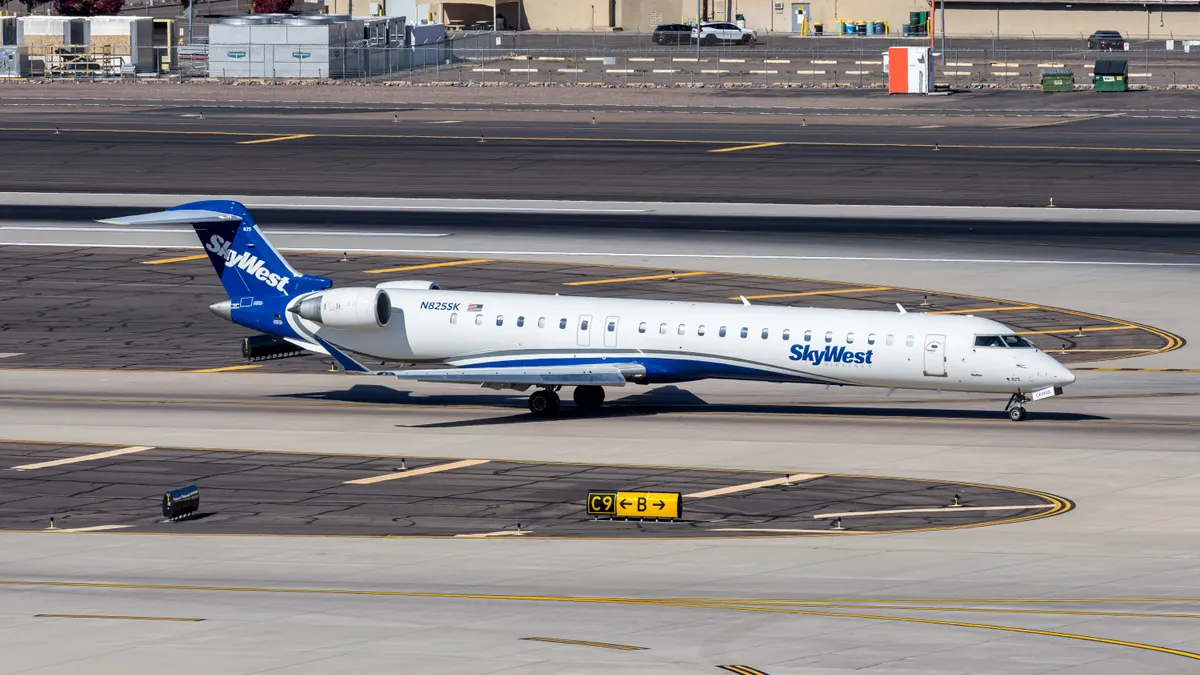
- Plaintiffs seeking compensatory damages for emotional distress under Title VII of the 1964 Civil Rights Act need not take action to mitigate such damages, the 5th U.S. Circuit Court of Appeals said Thursday in a decision upholding a federal jury’s award to a former SkyWest Airlines employee who alleged harassment.
- Title VII allows recovery of compensatory damages, including for noneconomic loss, but plaintiffs seeking back pay must exclude any amount for which they could have made “reasonable diligence” to earn. SkyWest argued that this exclusion also applied to the plaintiff’s emotional distress claims and that the plaintiff could have taken steps to mitigate mental and emotional damages by seeking therapy or taking medication.
- Both the district court and 5th Circuit rejected this argument, however, finding no such textual requirement exists and that the majority of federal courts agreed on this point. Separately, the 5th Circuit rejected SkyWest’s other arguments made in support of judgment as a matter of law, upholding the $300,000 in compensatory and punitive damages awarded to the plaintiff.
Dive Insight:
Like the district court, the 5th Circuit also concluded that a reasonable jury could find that SkyWest acted with malice or reckless indifference when the co-worker who allegedly harassed the plaintiff engaged in such conduct despite having received harassment prevention training.
SkyWest argued that no direct evidence showed the co-worker had received such training, but the court noted that a SkyWest HR employee’s testimony that every employee at the company received the training was enough for a jury to draw reasonable inference that the co-worker had done so.
Similarly, the 5th Circuit determined that a jury could find that SkyWest’s investigation into the plaintiff’s claims “reflected a feeble attempt to uncover the truth” and infer that the company failed to make good-faith efforts to comply with Title VII. This meant that the jury’s verdict granting punitive damages to the plaintiff was proper, the court said.
SkyWest did not immediately respond to a request for comment.
The result may serve as a reminder for HR departments to review their procedures for internal investigations. A thorough investigation generally offers protections to various parties and extensive documentation of any relevant materials, an attorney previously told HR Dive, in addition to other steps like formally memorializing the investigation’s conclusions.
The jury initially awarded the plaintiff in the case, EEOC v. SkyWest Airlines, Inc., more than $2 million in damages, but this amount was later reduced to comply with Title VII’s statutory cap. At the time of the verdict, the U.S. Equal Employment Opportunity Commission said the award constituted the largest ever obtained via jury trial in the Northern District of Texas.