National origin bias enforcement is changing under President Donald Trump’s second administration. Employment discrimination based on national origin — just like discrimination based on race, sex, color and religion — has long been illegal. But the way that federal agencies such as the U.S. Equal Employment Opportunity Commission have enforced nondiscrimination laws related to national origin bias has evolved over the past 10 years.
Late 2016 saw EEOC making immigrants rights a strategic priority, especially calling attention to the disparate impact that certain workplace policies can have on such workers. At the time, an attorney predicted the incoming administration could change the fabric of national origin nondiscrimination enforcement.
EEOC lawsuits during Trump’s first administration in this vein included allegations that a company allegedly favored “less-qualified Hispanic job applicants” over Black, White and Asian job candidates — but also monetary relief to a worker who allegedly faced discrimination for not being fluent in English.
Now, in Trump’s second administration, EEOC has shifted its national origin focus almost exclusively to rooting out anti-American bias. In February 2025, for example, a Guam hotel resort agreed to settle an EEOC lawsuit alleging that it gave preferential treatment to Japanese workers at the expense of American workers.
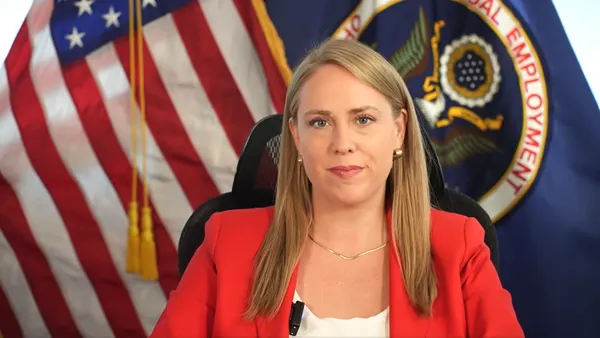
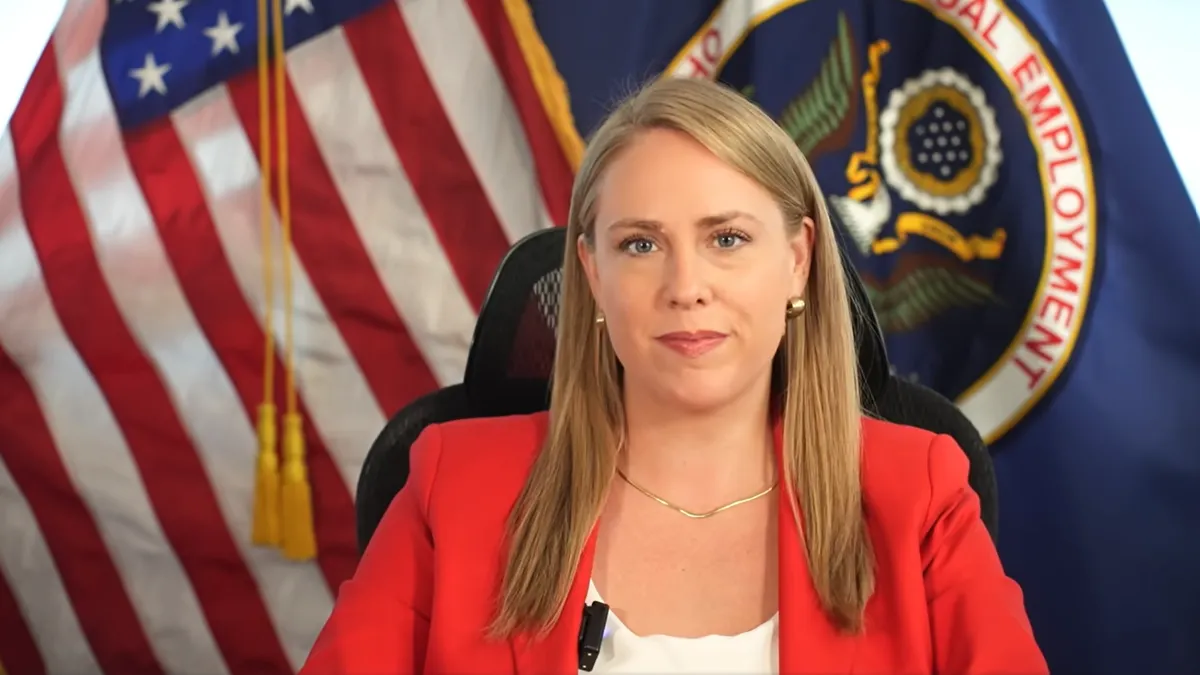
That same month, EEOC, under then-Acting Chair Andrea Lucas, said it was determined to ensure workers and their employers “better understand the even-handed protections” of Title VII. Lucas warned employers that “if you are part of the pipeline contributing to our immigration crisis or abusing our legal immigration system via illegal preferences against American workers, you must stop.”
Last fall, EEOC doubled down on that enforcement priority and set the tone for 2026: “Unlawful bias against American workers, in violation of Title VII, is a large-scale problem in multiple industries nationwide,” Lucas asserted in a November statement as she shared an EEOC technical assistance document on anti-American bias at work. Read on to hear how this EEOC enforcement priority has shaken out.