Dive Brief:
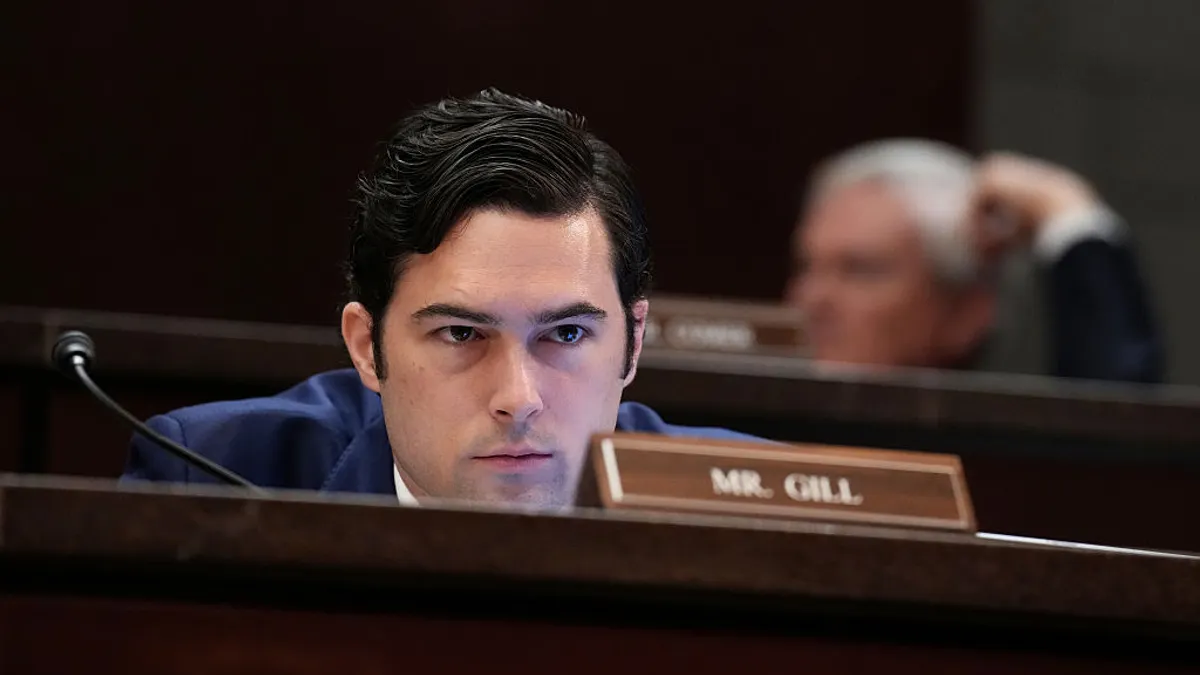
- McKinsey and Co. and its reports on diversity, equity and inclusion are facing scrutiny from Rep. Brandon Gill, R-Texas, for what he called “heavy-handed promotion” of “discriminatory” practices.
- Gill said in an Aug. 17 press release that McKinsey relied on “unverified and questionable data” to assert that diverse management leads to better financial performance and improved productivity — and that those reports influenced hiring and investment decisions.
- Gill’s investigation into McKinsey comes amid numerous “reverse discrimination” lawsuits and shareholder proposals, but this action by the Republican congressman may mark a new chapter in how anti-DEI sentiment can manifest.
Dive Insight:
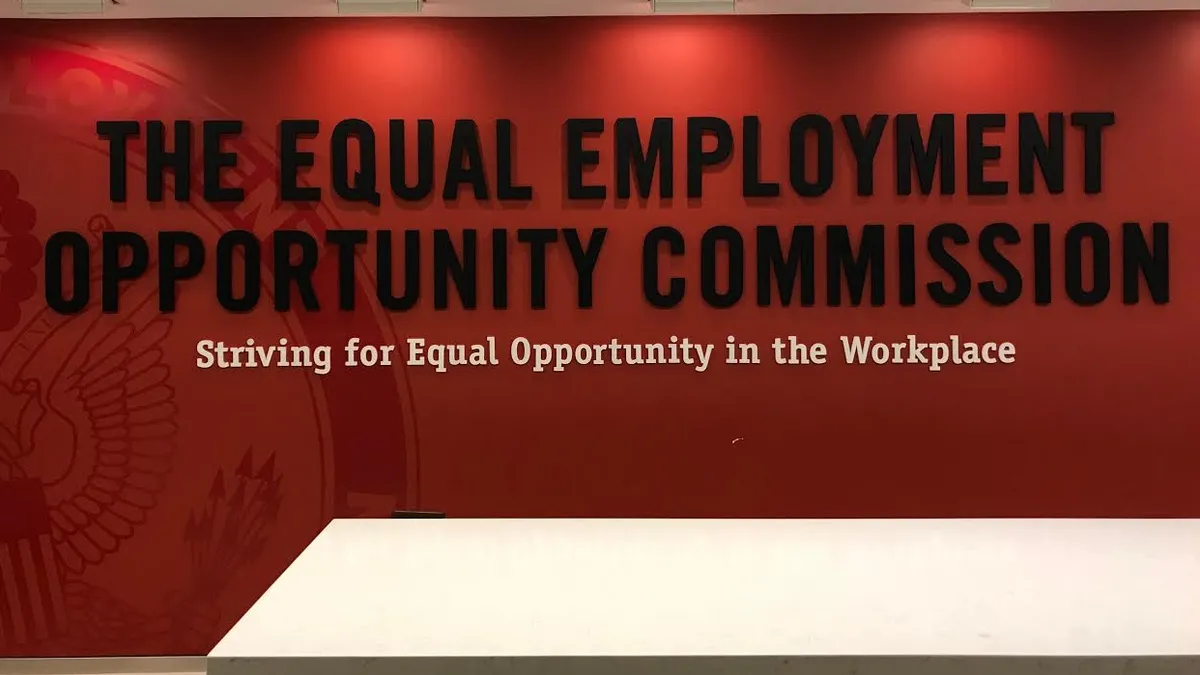
Private-sector employers have worked to remain agile in the face of cultural pressure and federal policy enforcement changes that have homed in on all things DEI. President Donald Trump targeted DEI practices via executive order, and the U.S. Equal Employment Opportunity Commission remains aligned with that anti-DEI agenda. Likewise, Republican attorneys general have sent letters to private companies probing their DEI practices. And now Gill’s investigation, run by a U.S. House Oversight and Government Reform Committee task force, has extended that scrutiny to those who may have guided employer actions.
“These McKinsey reports have been highly influential, being cited by publicly traded companies, asset managers, proxy advisory firms, and banking institutions, among others, as cause for embedding illegal racial and sex-based targets into hiring, promotion, executive compensation, and asset manager proxy voting policies,” Gill said in an Aug. 17 statement.
“Researchers assessing McKinsey’s DEI reports have been unable to replicate the results, and suggest that McKinsey likely swapped the cause and effect in its DEI conclusions,” according to the committee. Gill did not respond to HR Dive requests for comment.
McKinsey told HR Dive it stands firm on its findings and recommendations.
“We agree with [Gill] that race and gender should not guarantee outcomes, but we stand by our research on the business and economic impact of a diverse workforce. We also recognize that diversity in the workplace encompasses a broad range of backgrounds, experiences and perspectives,” a McKinsey spokesperson said via email, emphasizing that the company has and will continue to be legally compliant in the U.S. and in its other markets.
Meanwhile, a University of California, Berkeley, public policy professor published a report this month suggesting that S&P 500 employers that rolled back DEI at their companies did not perform better than those that maintained their commitments — in fact, some performed worse.