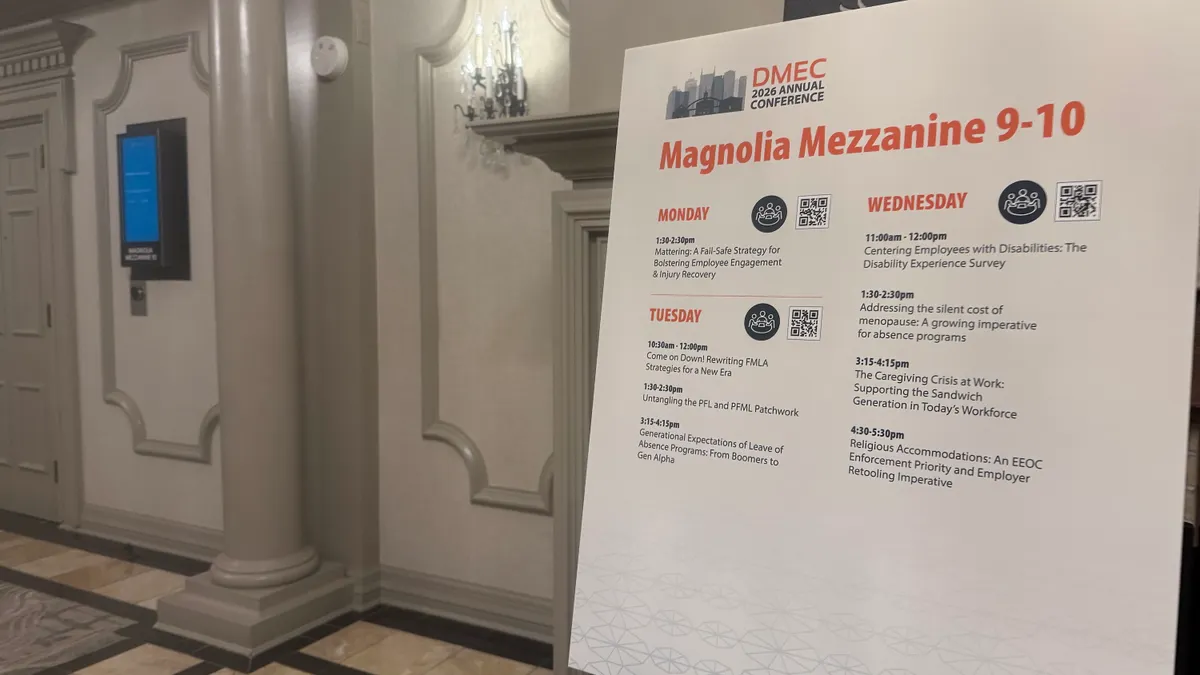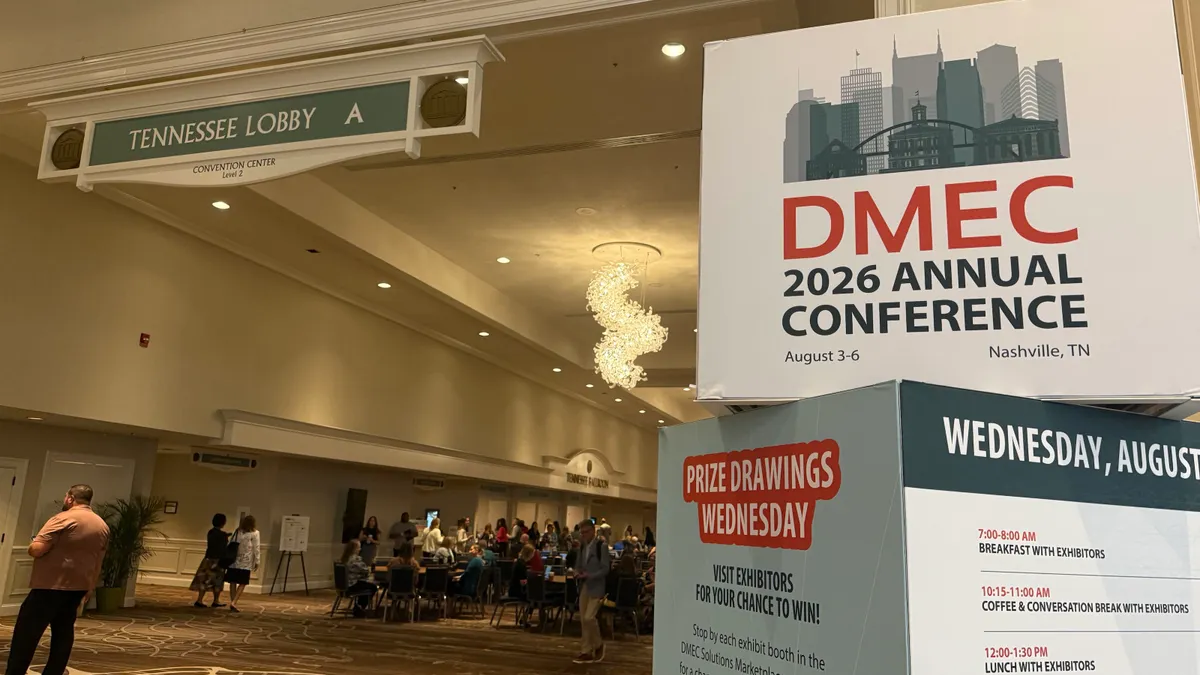
NASHVILLE, Tenn. — The No. 1 question Julie Hocker, assistant secretary of labor for disability employment policy, says she gets asked is, ‘‘Is [artificial intelligence] competing for jobs with people with disabilities?’
Her answer is a resounding “no.”
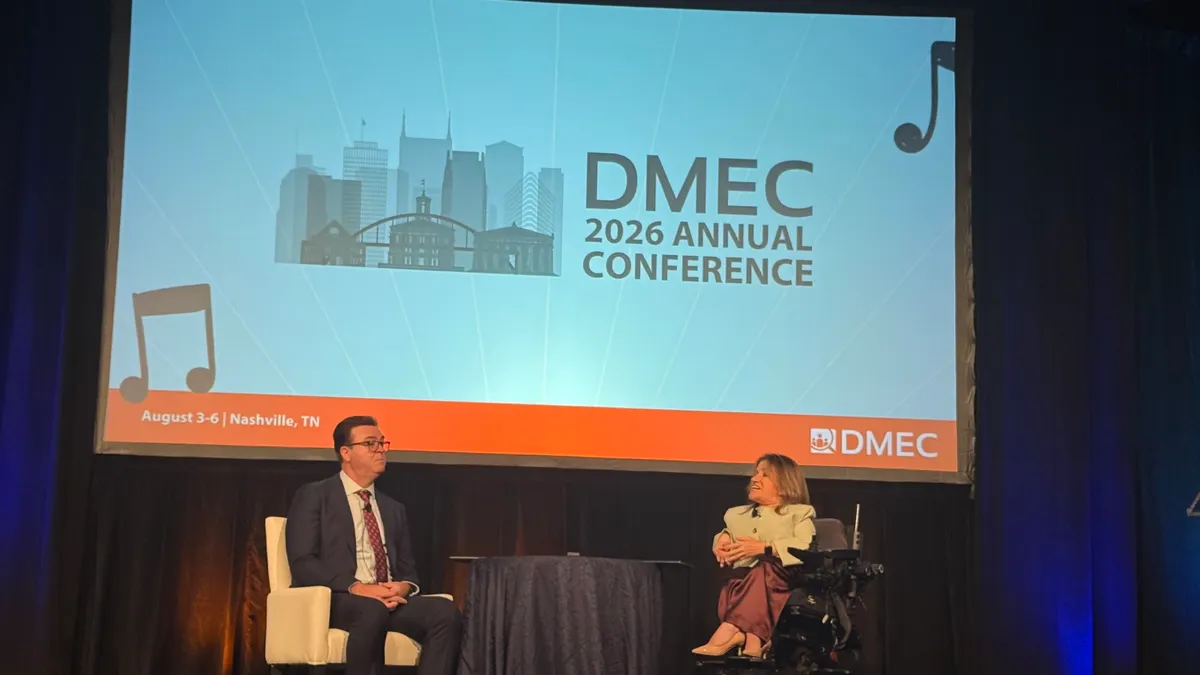
“AI is busting down barriers,” Hocker said during a Monday session at the 2026 Disability Management Employer Coalition Annual Conference in Nashville, Tennessee. “AI and accessible technology is bringing to life and bringing to the desk and to the workplace more and more opportunities for people with and without disabilities to be able to really customize the way that they approach their work.”
Tools like those, she said, can demystify the idea that people with disabilities can’t learn and can introduce more options for how to fulfill a job description.
Many of these pieces of technology, like closed captioning or other accessibility features, started as a reasonable accommodation for someone at a tech firm, she said.
The U.S. Department of Labor even runs the Partnership on Employment & Accessible Technology to help employers adopt accessible tech.
Through that initiative, DOL “works hand in hand” with tech firms nationwide to ensure that accessibility is embedded in technology from the start and that the tools being built to increase reasonable accommodations and job accessibility “are in the right hands,” Hocker said.
Now is the time, she said, for companies to think about how technology fits into their reasonable accommodation programs.
In fact, a recent survey by the University of Phoenix and The Harris Poll found that among people already using AI at work, the majority said the technology has improved their ability to understand accessibility.