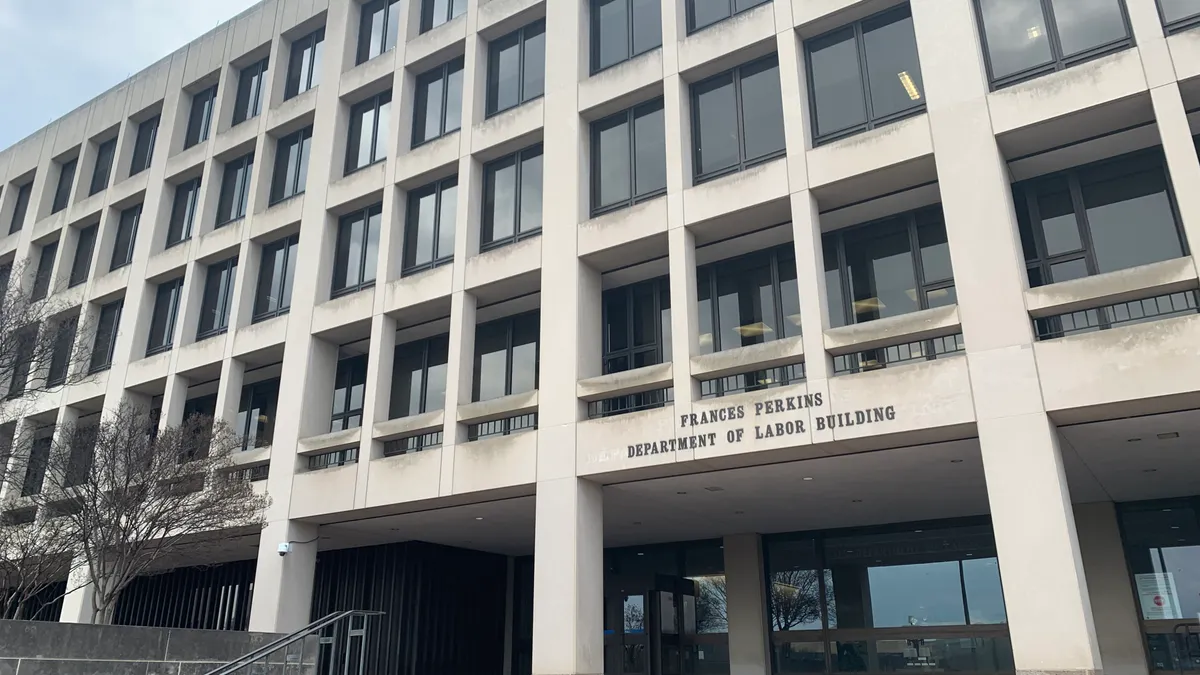
The U.S. Department of Labor’s Employee Benefits Security Administration said it will focus its efforts on criminal cases “to address the most significant harm” to the employee benefits system, according to a field assistance bulletin issued Tuesday.
The agency, which serves as a regulator of voluntary employee benefits, identified four guiding principles:
- Targeting enforcement on “the most egregious conduct and significant harm;”
- Ensuring the agency is not regulating “by enforcement” and is providing clarity to the regulated community;
- Committing to a proper review of all critical enforcement efforts by senior agency officials; and
- Ensuring enforcement is timely and responsive.
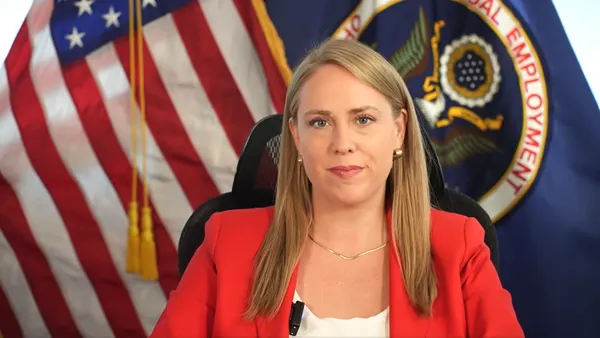
“This update to our enforcement program makes it clear that our focus is on true bad actors whose actions harm the benefits American workers and retirees have earned for themselves and their families,” Assistant Secretary of Labor for Employee Benefits Security Daniel Aronowitz said in a news release. “We will no longer be second-guessing the prudent discretionary judgement of fiduciaries but instead will have even-handed and fair enforcement with a close relationship to the language of the law, guidance issued by the Department of Labor, or clearly established case law.”
Nevin Adams, a retirement industry expert, characterized the shift in EBSA’s priorities as “an emphasis on violations of loyalty, rather than prudence,” in a post for the American Society of Pension Professionals & Actuaries.
“At a high level, this suggests a lowered focus on technical mistakes, good-faith process errors, and ‘gray-area’ interpretations — and a heightened emphasis on self-dealing, hidden conflicts of interest, misuse of plan assets, and acting for reasons other than participants’ benefit,” Adams wrote.
The bulletin follows a Jan. 15 announcement by the agency of an “overhaul of its national enforcement projects for fiscal year 2026 to ensure an even-handed, responsive approach to investigations.”
The January announcement said EBSA would target cybersecurity, barriers to mental health and substance use disorder benefits, protection of benefit distributions, retirement asset management, surprise billing and criminal abuse of contributory benefit plans.
At the time, Deputy Secretary of Labor Keith Sonderling said, “By recalibrating the areas our investigators focus on, EBSA investigations will be more efficient, responsive, and prioritize serious misconduct rather than minor foot faults.”