
Hybrid work is the new norm, and it’s increasingly a baseline for employees. About 14 million Americans are hybrid workers, a New York Times analysis found in 2024, going into the office only two or three days a week. That shift has changed more than just where work happens. It’s also changed what employees expect from their employer.
Many employee benefits have not kept pace with the evolution of today’s workforce. That disconnect is especially clear in commuting, where perks built for five‑day routines no longer reflect how people actually get to work.
As organizations continue to refine their hybrid strategies, employees are looking for flexibility not just in where they work, but in how employers support everyday needs, especially getting to and from the office.
Why the Commute Is a Barrier to Returning to the Office
Most employees with remote-capable jobs now come into the office three days per week, often from farther distances and on different schedules. As a result, commuting has become one of the biggest factors influencing how often people show up in person to work.
In fact, a HealthEquity study found that 54% of employees say commuting costs are the biggest barrier to coming into the office more frequently. That concern outweighs home responsibilities, office setup, and even the social benefits of being onsite. When transportation is expensive, time‑consuming, or unpredictable, even limited in‑office expectations can start to feel burdensome.
Yet many commuter benefits still assume workers are coming in every day. Monthly transit passes and rigid programs often leave hybrid employees, and even their employers, paying for transportation they do not fully use, leading to frustration over wasted spend and making in‑office days feel less worth it.
Rethinking Vanpooling for Flexible Schedules
Vanpooling has long been a proven way to reduce costs, ease congestion, and make commuting more predictable. Traditionally, though, these programs were designed for employees who commute every day. Hybrid work has changed that model.
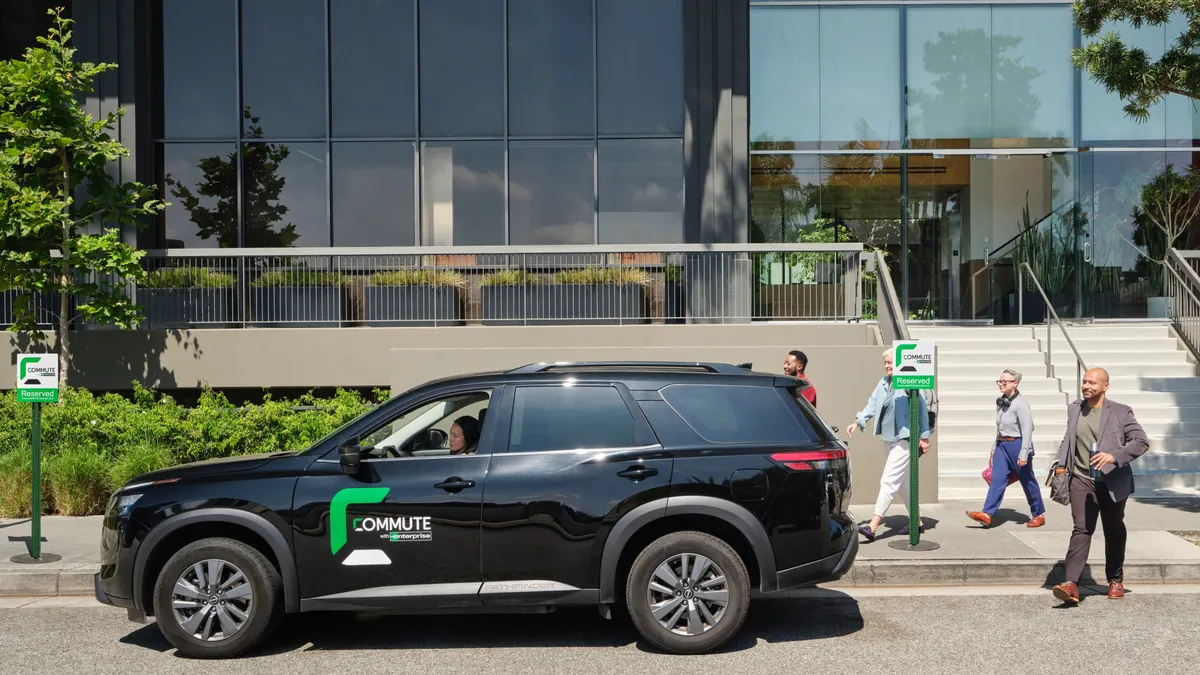
That’s where flexible vanpooling comes in. Built for schedules that aren’t one‑size‑fits‑all, employees can ride anywhere from two to seven days per week, adjust participation month to month, and choose options that fit their individual needs.
When transportation is reliable, employees can focus their energy where it matters most. Time at work becomes more productive, and time outside of work more restorative. Simple coordination tools help riders and drivers stay aligned even when schedules change.
For employers, flexible vanpooling remains a low-infrastructure benefit. Programs are supported end to end, from coordination to maintenance, without the need to own or lease vehicles. Monthly rental models remove upfront costs while preserving the flexibility today’s workforce expects.
Flexible Benefits Send a Clear Message
When benefits align with the realities of hybrid work, employees feel supported rather than constrained by outdated expectations. Flexible commuting options are a visible way for employers to show they understand how work has changed and are willing to adapt to it.
That understanding can pay off. In a national employer survey published by Employee Benefit Research Institute (EBRI), nearly 75% of organizations reported that their benefits programs directly improved employee retention.
Hybrid work is here to stay, and employee benefits need to evolve alongside it. Flexible vanpooling helps remove commuting barriers, strengthens return‑to‑office participation, and keeps organizations competitive in a changing workplace — all while supporting employees where it matters most.
Melissa Banigan is Assistant Vice President of Commute with Enterprise for Enterprise Mobility. She is responsible for overseeing sales and operations for the organization’s vanpool and commuting solutions.
Commute with Enterprise is the largest vanpool service provider in the U.S., taking more than 48,000 vehicles off the road each day¹. With 10,000 vanpools and nearly 60,000 participating riders nationwide, this shared mobility solution offers customizable programs to help organizations overcome commuting challenges.
¹ Estimate based on 2025 Enterprise reporting and U.S EPA Calculator. Assumes 5-day work week and participants previously drove alone. CommutewithEnterprise.com/Showmethemath