UPDATE: July 21, 2026: The U.S. Equal Employment Opportunity Commission voted to issue a proposed rule to end demographic data reporting on Tuesday, voting 2-1 along party lines. The agency will hold a public hearing on Aug. 11, and asked those who wish to testify to submit a written comment via its portal no later than Aug. 7.
---
The U.S. Equal Employment Opportunity Commission plans to end employee demographic data reporting, according to a proposal sent to the White House on Thursday.
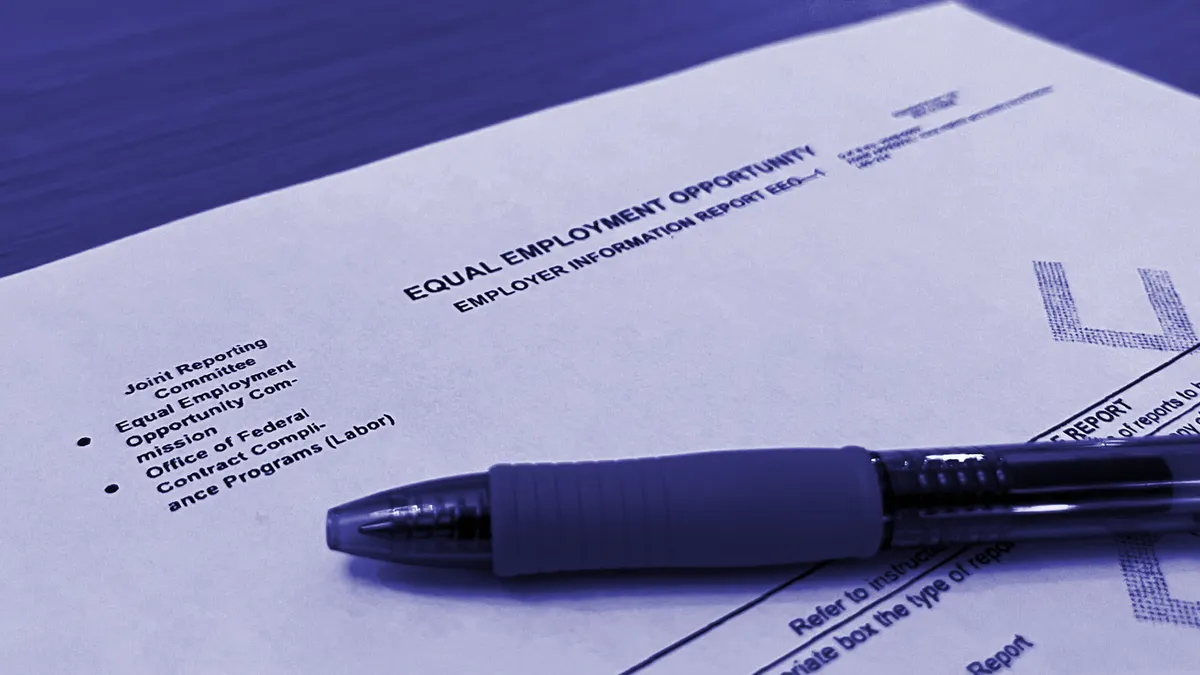
The agency wants to get rid of EEO-1, EEO-2, EEO-3, EEO-4 and EEO-5 reporting requirements. EEOC also wants to axe reporting requirements related to Title VII of the Civil Rights Act, the Americans with Disabilities Act, the Genetic Information Nondiscrimination Act and the Pregnant Workers Fairness Act.
EEO-1 reporting has been a cornerstone of HR duties, required by firms with 100 or more employees and federal contractors with 50 or more employees that meet certain requirements. EEOC and analysts have used it to assess demographic data nationally, and — while the process is sometimes viewed as burdensome — employers have reportedly used the collected data for self-assessments regarding nondiscrimination and diversity.
President Donald Trump’s second administration has consistently targeted diversity, equity and inclusion initiatives in the workplace, starting with Inauguration Week executive orders relating to DEI, and this latest move may well be an extension of those efforts.
During Trump’s previous administration, the White House attempted to block the now-defunct EEO-1 pay data reporting requirements — a move business groups celebrated at the time.
Stakeholders have long expected that the second Trump administration would put the broader EEO-1 on the chopping block, given that such a move was proposed in the Heritage Foundation’s Project 2025.
Following White House approval, proposed rules are generally published in the Federal Register and opened up for public comment before a final rule is published.
HR Dive reached out to EEOC, but did not hear back by publication time.
Correction: A previous version of the headline mischaracterized the status of the rule proposal. The headline has been updated.