Numerous workforce development policies could strengthen talent pipelines and bolster nationwide resilience, according to a Dec. 11 report from JPMorganChase.
In particular, workforce shortages have increased in sectors critical to U.S. interests, such as manufacturing, cybersecurity and artificial intelligence.
“America’s security challenges often focus on equipment, investment and supply chains, but a deeper issue persists: a shortage of skilled workers,” according to the report. “This talent deficit limits the nation’s ability to build, compete and protect its interests.”
Broadening skill gaps have left organizations unprepared to meet the demands of a changing economy, according to a Skillsoft survey. Few HR pros expressed confidence in their workforce’s current skills, pointing to significant gaps in leadership, AI and tech-related skills.
In general, three-quarters of companies are having trouble finding qualified talent, JPMorganChase reported, and 40% of adults don’t have basic digital skills.
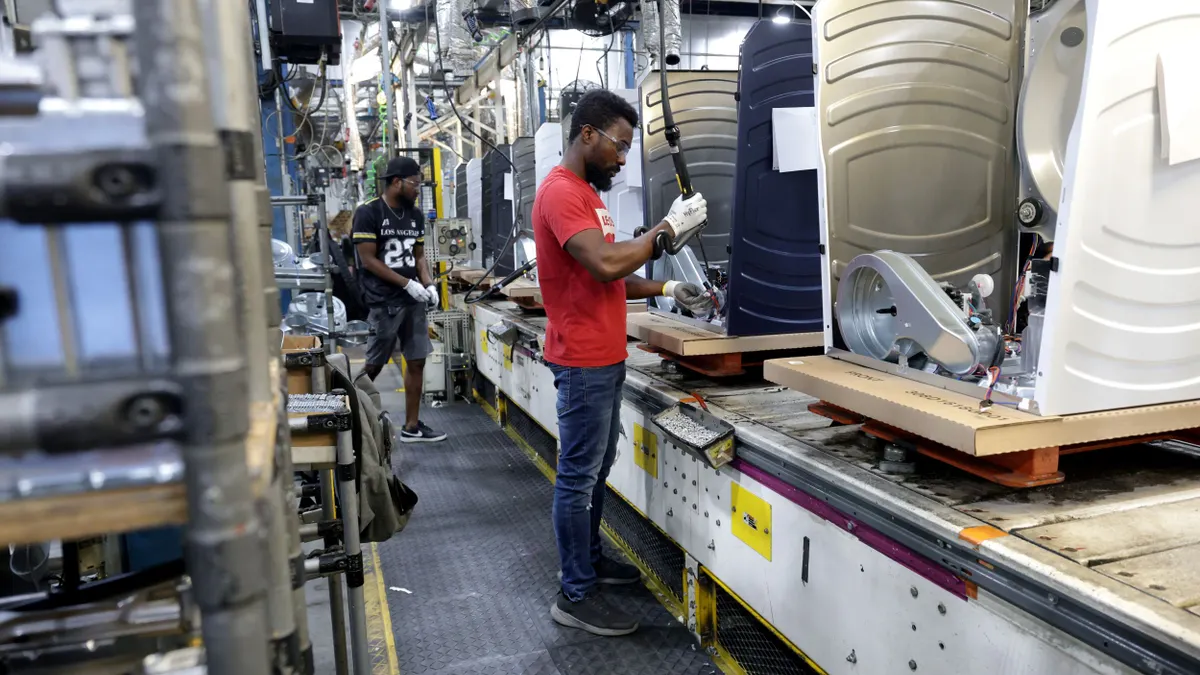
On top of that, technology workforce needs are projected to grow twice as fast as the overall labor market, the report found. The manufacturing sector may also require 3.8 million new employees by 2033, and half of those jobs are at risk of remaining open.
Training gaps pose some of the biggest challenges, the report found. For instance, energy apprenticeships need to increase by 44% to meet the demand for 200,000 new workers.
To address these challenges, JPMorganChase recommended several federal and state policies to support talent pipelines for critical industries.
At the federal level, the firm said, policies need to strengthen and scale apprenticeships, promote employer-based training, move forward industry/sector partnerships, support public-private partnerships and address the digital skills divide.
At the state level, policies should create greater access to work-based learning, leverage employer partnerships and lean into data-driven decision-making.
To support these policies, employers will need to work with policymakers, industry leaders, educators and communities to succeed, the firm said.
Workforce development programs — which are typically funded through public-private partnerships — can bridge skill gaps by helping companies to scale and expanding opportunities for less skilled workers, according to research published by the National Bureau of Economic Research. These programs operate with explicit goals of upskilling a state’s workforce, typically by focusing on transferable skills that could apply across employers.