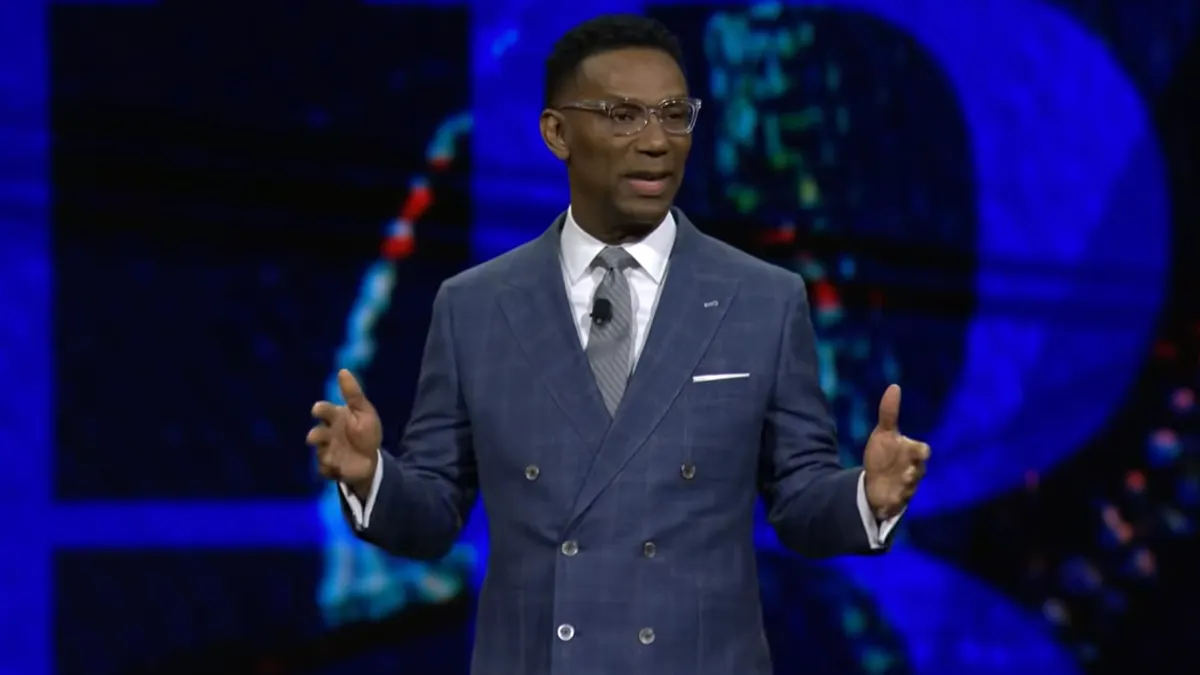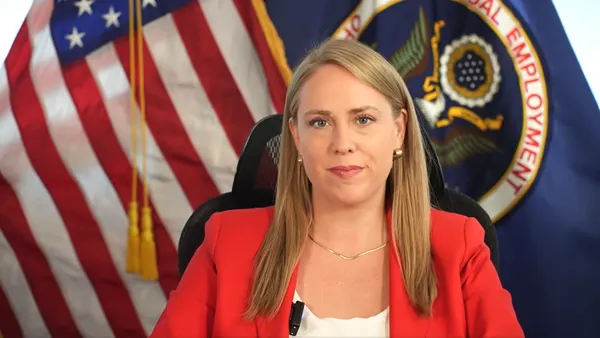
The SHRM Foundation, the nonprofit arm of the world’s largest HR association, wants practitioners to make a business case for initiatives that broaden access to job opportunities — especially for caregivers, President Wendi Safstrom said in a recent interview with HR Dive.
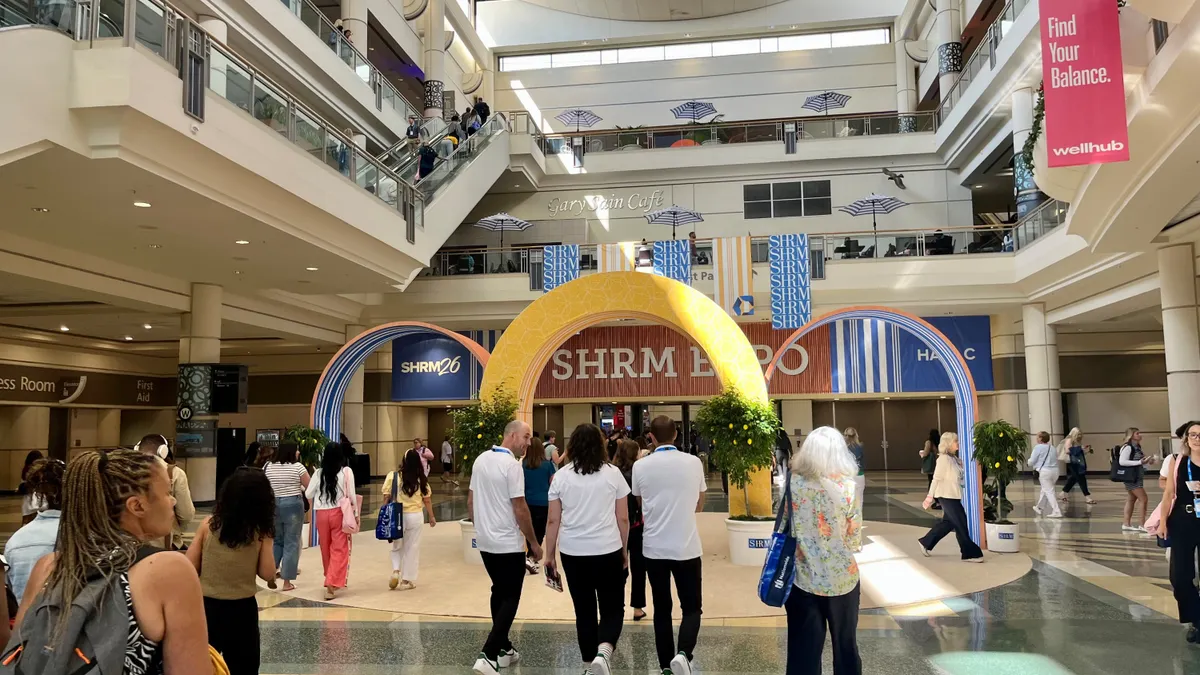
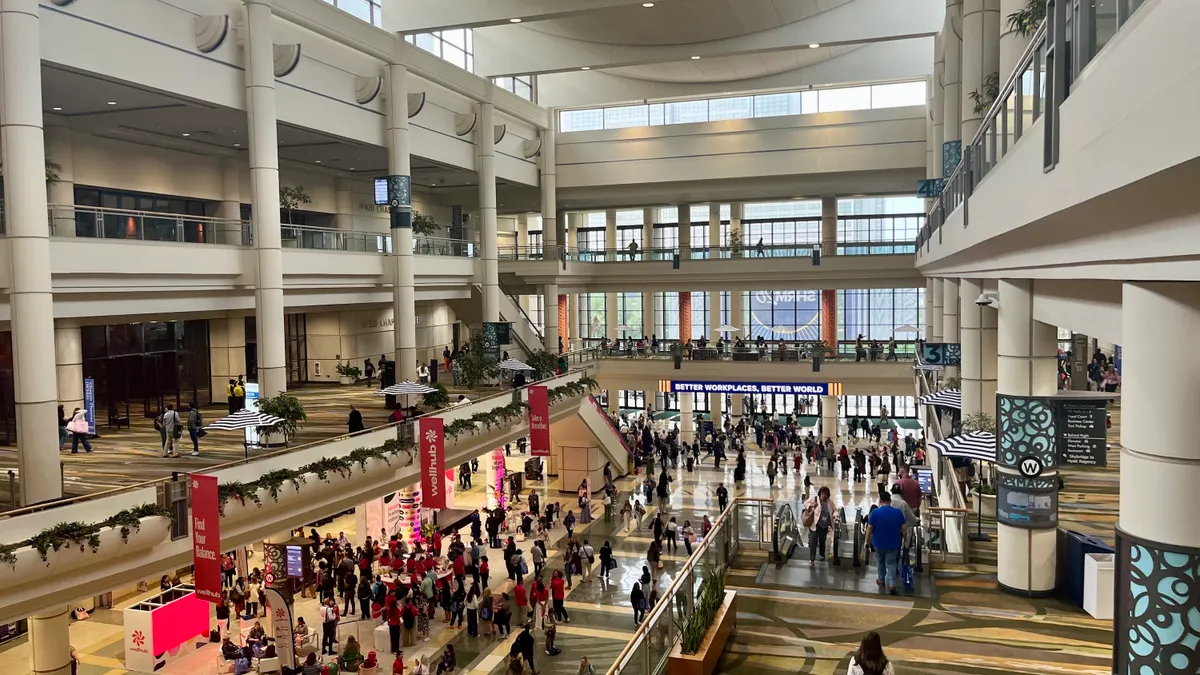
The foundation celebrated its 60th anniversary at last month’s SHRM26 conference in Orlando, Florida, where its programming included, among other things, a pop-up booth asking attendees to comment on how to help caregivers thrive at work. It’s a conversation of growing importance, Safstrom said after the conference, given that more than 30% of U.S. adults ages 18 and older spend time during an average day caring for a household or nonhousehold member.
Yet, it’s also one that employers can’t reliably address through workplace programs alone, she noted. Organizations need to establish a culture of care that allows employees to feel comfortable identifying as caregivers and performing the duties of a caregiver.
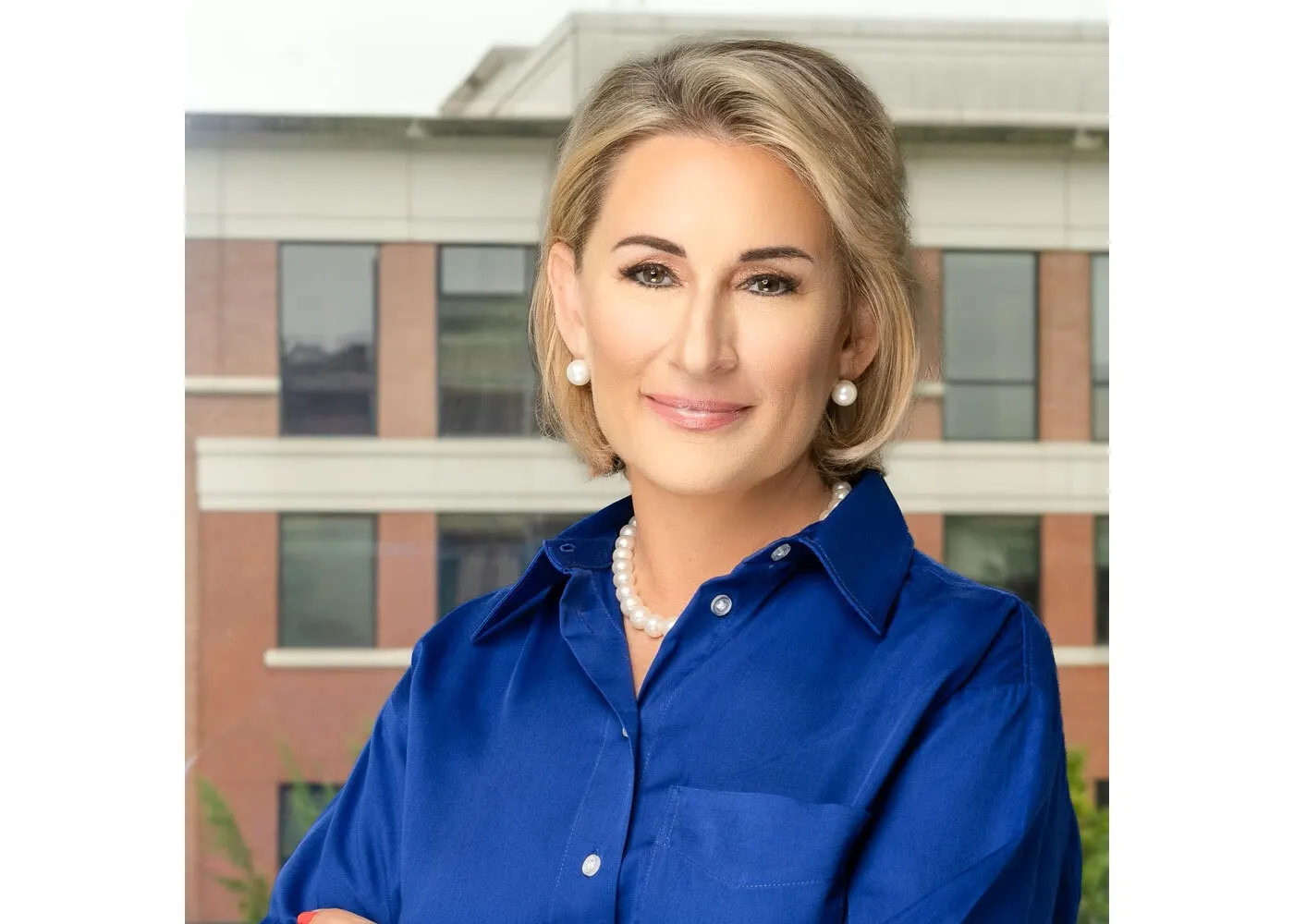
“You can have all the policies and benefits in the world,” Safstrom said, “but if you don’t have commitment from the top in terms of the empathy and understanding that people need to fulfill those responsibilities [...] then all the policies in the world don’t matter.”
SHRM previously made the case for caregiver-focused strategies in a 2025 report, drawing from a survey of 1,470 HR professionals. The organization found that businesses that had a proactive approach toward caregiver support performed better on metrics such as engagement, recruitment and retention than those with a reactive approach.
However, only 36% of respondents in the same survey said their organizations equipped people managers with resources on how to manage caregivers. SHRM also found that more than 40% of caregivers worried that using employer-provided benefits in this area would jeopardize their promotion chances, create burdens for their team or lead to them being given fewer responsibilities.
Safstrom said employers must be forthcoming in their understanding of caregivers’ needs and allow individual caregivers the chance to tell their stories. For example, in recruiting — where caregivers with gaps in their career histories may particularly struggle — HR teams can provide space for working caregivers to explain why they took time off for their careers, what they did during that time, what lessons they learned and how their experiences map with job requirements.
“The ability to share your story, the things you did and how you applied the lessons learned, if not through work experience but through lived experience, is pretty compelling,” Safstrom said.
SHRM Foundation has been particularly active in supporting military spouse caregivers, she added, pointing to the organization’s 2025 announcement of a partnership with the Elizabeth Dole Foundation, which works with military and veteran caregivers. Military spouses are often accustomed to caregiving-related gaps due to frequent moves and transfers, Safstrom said, but they also bring with them valuable skills.
The partnership is one of several initiatives for the foundation, whose philanthropic portfolio also includes academic research funding as well as scholarship, mentorship and workforce development programs. Safstrom said the organization’s work has broadened significantly in the decades since its founding.
“We’re not the SHRM Foundation of 60 years ago — we’re older and better,” Safstrom said.