Dive Brief:
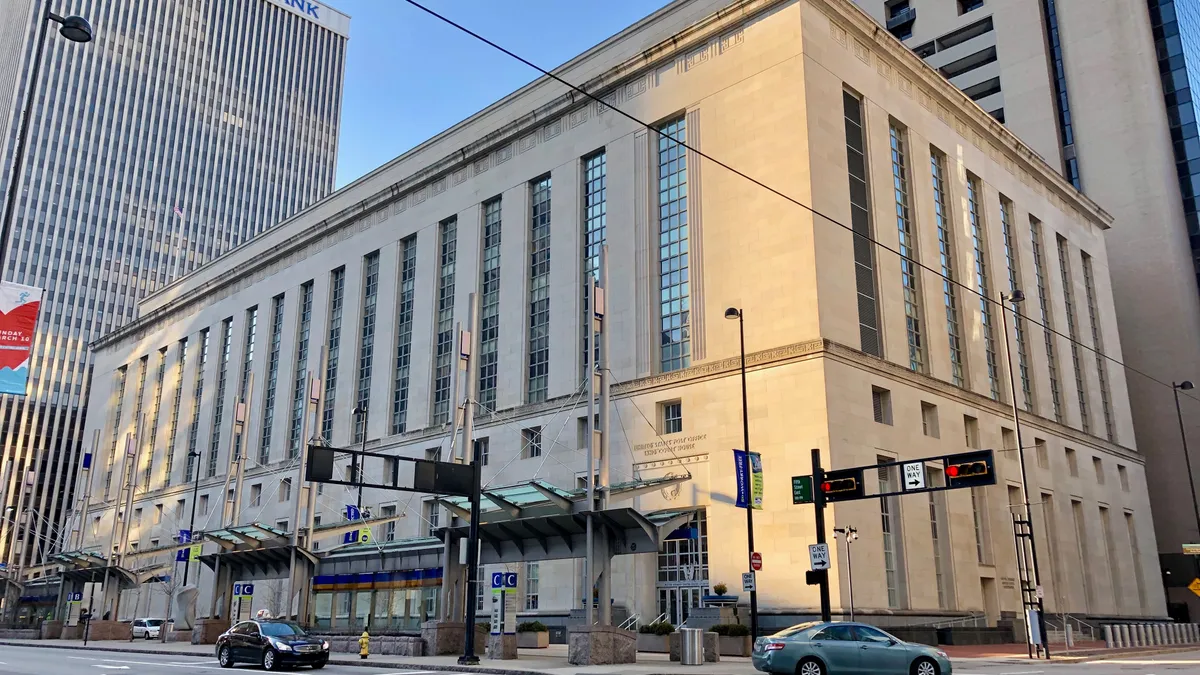
- A security guard for the East Tennessee Children’s Hospital Association failed to state a cause of action for overtime under the Fair Labor Standards Act, because his allegation that he had to monitor his radio during lunch breaks and respond if an “event” arose wasn’t enough to show the time was compensable, the 6th U.S. Circuit Court of Appeals held Tuesday.
- Per the ruling in Westerling v. East Tennessee Children’s Hospital Association, Inc., the security guard was paid as an hourly, nonexempt employee. He claimed the hospital automatically deducted 30 minutes from employees’ paychecks for meal breaks. According to him, the deduction failed to account for the time he wasn’t completely relieved of his duties during meal periods due to his monitoring obligations and deprived him of overtime pay when he worked more than 40 hours a week.
- He filed a proposed collective action under the FLSA, and a federal district court dismissed the case. The 6th Circuit affirmed, explaining that if his “lunch breaks were frequently interrupted because he was responding to calls, that could be compensable.” But his amended complaint failed to give any indication of this, and monitoring the radio during a meal break while being available to respond, by itself, is not subject to compensation under the FLSA, the panel said.
Dive Insight:
Attorneys for the security guard did not respond to a request for comment prior to press time.
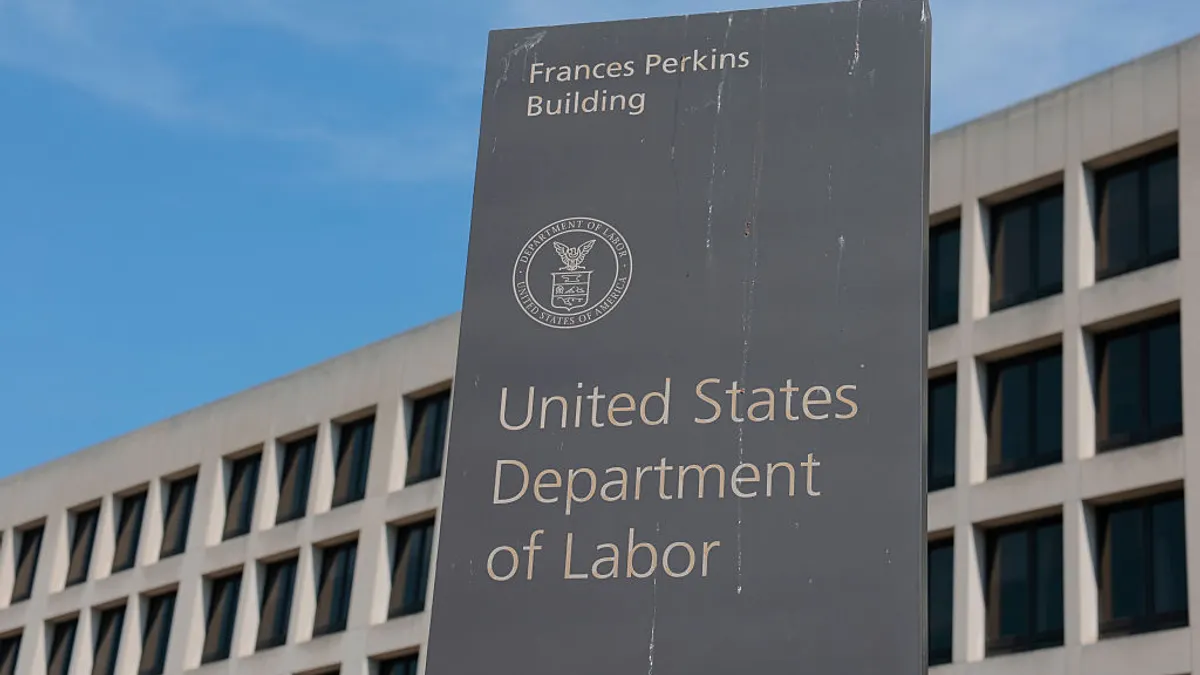
The FLSA doesn’t require employers to provide meal or rest breaks, the U.S. Department of Labor points out in a guidance. But if breaks are provided, employers should remember there’s a difference between short rest breaks (5 to 20 minutes) and longer meal periods, which typically last about 30 minutes.
In particular, authorized short breaks are considered compensable work under the FLSA, the guidance states. That means the time must be included in an employee’s weekly hours for purposes of calculating overtime.
By contrast, 30-minute meal periods are not considered work time and not compensable so long as the employee is “completely relieved from duty for the purpose of eating regular meals,” a DOL Wage and Hour Division fact sheet says.
However, according to 6th Circuit rulings, an employee is sufficiently relieved of duty if he or she can “adequately and comfortably” pursue their meal time, is not “engaged in the performance of any substantial duties, and does not spend the time predominately for the employer’s benefit,” the panel explained.
The rulings make clear that “monitoring a radio [during a meal break], and remaining available to respond if called, … is not a substantial job duty,” the court said.
Meal breaks can be a potential trap for employers, an attorney previously told HR Dive. For example, in 2023, a group of hourly assistant managers for Publix filed a proposed collective action against the supermarket chain for allegedly failing to pay them for work they said they did before and after their shifts and during meal breaks, which they claimed were routinely interrupted to handle work-related texts, phone calls and chat messages from co-workers and supervisors.
A federal court later refused to conditionally certify a collective action.
While automatic meal deductions are lawful under the FLSA, they also can raise problems, the attorney said: They can’t be taken if the employer knows or has reason to know employees are performing work while on a meal break, she explained.