Dive Brief:
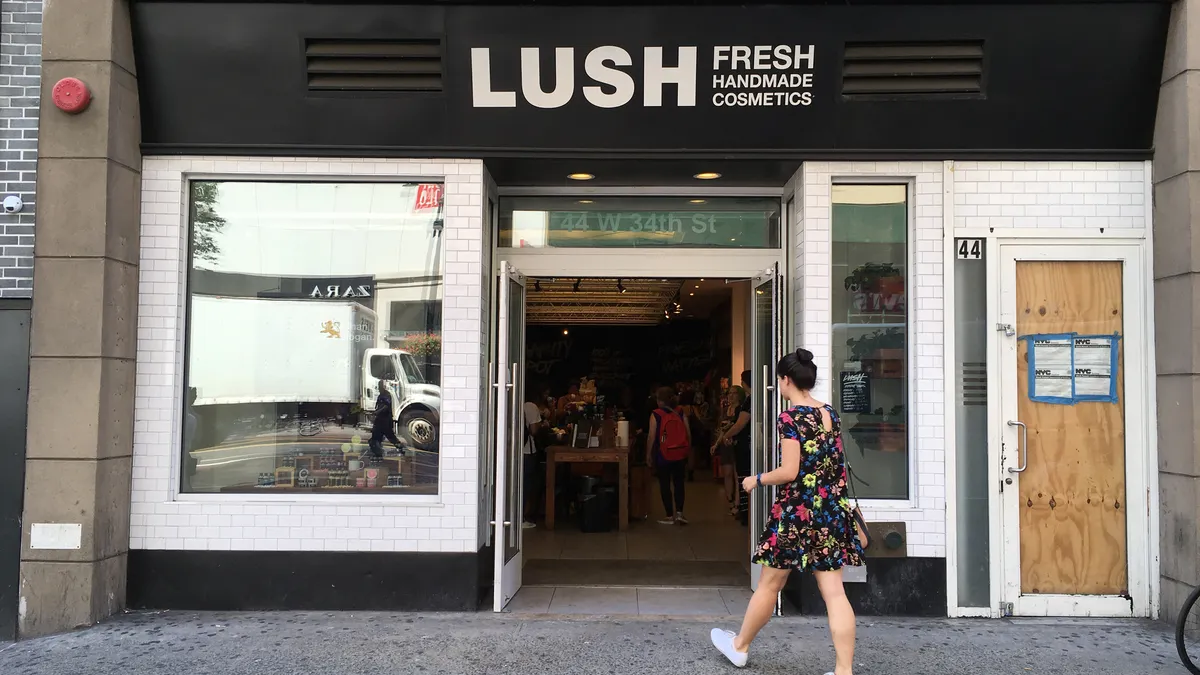
- Lush Handmade Cosmetics and a group of former employees agreed to settle a sex discrimination lawsuit initially filed, and later abandoned, by the U.S. Equal Employment Opportunity Commission, according to a court filing published Wednesday.
- EEOC filed a complaint against Lush in 2024, alleging that the company discriminated against a pansexual, nonbinary employee when it failed to take action in response to a manager’s sexual harassment, leading to the employee’s constructive dischage. The agency claimed Lush violated state and federal laws prohibiting sex discrimination, including discrimination on the basis of sexual orientation and gender identity.
- Shortly after the inauguration of President Donald Trump, EEOC withdrew from the case as part of a broader retreat from agency lawsuits alleging gender identity discrimination. The plaintiffs, under new representation, filed a motion to intervene in April 2025 and then entered settlement negotiations. Per the settlement, the plaintiffs agreed to dismiss their California state law claims without prejudice. Additional terms were not disclosed.
Dive Insight:
The outcome of the Lush lawsuit demonstrates that discrimination cases from which EEOC has withdrawn its representation may continue to live on despite the agency’s ideological shift.
Lawmakers specifically asked EEOC Chair Andrea Lucas about the Lush case during her congressional confirmation hearing last June and questioned whether she had personally approved of the agency’s decision to move on from the litigation. Lucas confirmed to Sen. Patty Murray, D-Wash., that she had done so in consultation with the agency’s career staff.
Lucas explained that the agency’s shift away from gender identity discrimination lawsuits is a response to Trump’s January 2025 executive order ending federal recognition of gender identity as a concept. She told Murray it would be “impossible” for EEOC to continue advocating for such plaintiffs given the president’s directive to the agency to “prioritize investigations and litigation” that enforce, among other things “the freedom to express the binary nature of sex,” per the language of the order.
However, Lucas said that the agency would continue to accept discrimination charges submitted to EEOC by individuals alleging gender identity discrimination. She also confirmed, in response to a separate question at the hearing, that transgender and nonbinary employees are protected from unlawful termination under Title VII of the 1964 Civil Rights Act and similar laws.
Neither Lush nor attorneys for the plaintiffs in the case could be immediately reached for comment.
Employers should expect to continue to see lawsuits alleging discrimination on the basis of gender identity, sources told HR Dive last year, with the private plaintiffs bar likely stepping up to fill the void left by EEOC. In fact, not long after the agency’s decision to withdraw from Lush Handmade Cosmetics and similar lawsuits, advocacy groups filed motions to intervene on behalf of affected transgender plaintiffs.
Additionally, employers invite legal risks when adopting EEOC’s stance that certain practices — such as referring to employees with incorrect pronouns or maintaining sex-segregated facilities that require transgender employees to use facilities consistent with their sex at birth — do not violate antidiscrimination laws like Title VII, one legal scholar previously told HR Dive.