The HR industry has consistently identified employee feedback as essential to improving productivity, engagement and performance. In one recent example, Gartner executive Mark Whittle said in October that CHROs should make creating a culture of “open feedback” one of their top priorities in 2026.
Yet, encouraging staff to engage in feedback is hard work, even in smaller, employee-owned organizations where most staff get along well. It’s a reality candidly described last month by Jasper Wang, co-founder and VP of revenue and operations at Defector Media.
Writing in Defector’s annual report, Wang said the company made progress this year in allowing staff to comfortably give constructive feedback to one another. Employees identified feedback as a weak point for Defector as far back as 2023, when respondents to the company’s annual internal culture survey gave some of their lowest grades to the statement, “I am comfortable giving constructive feedback to my colleagues.”
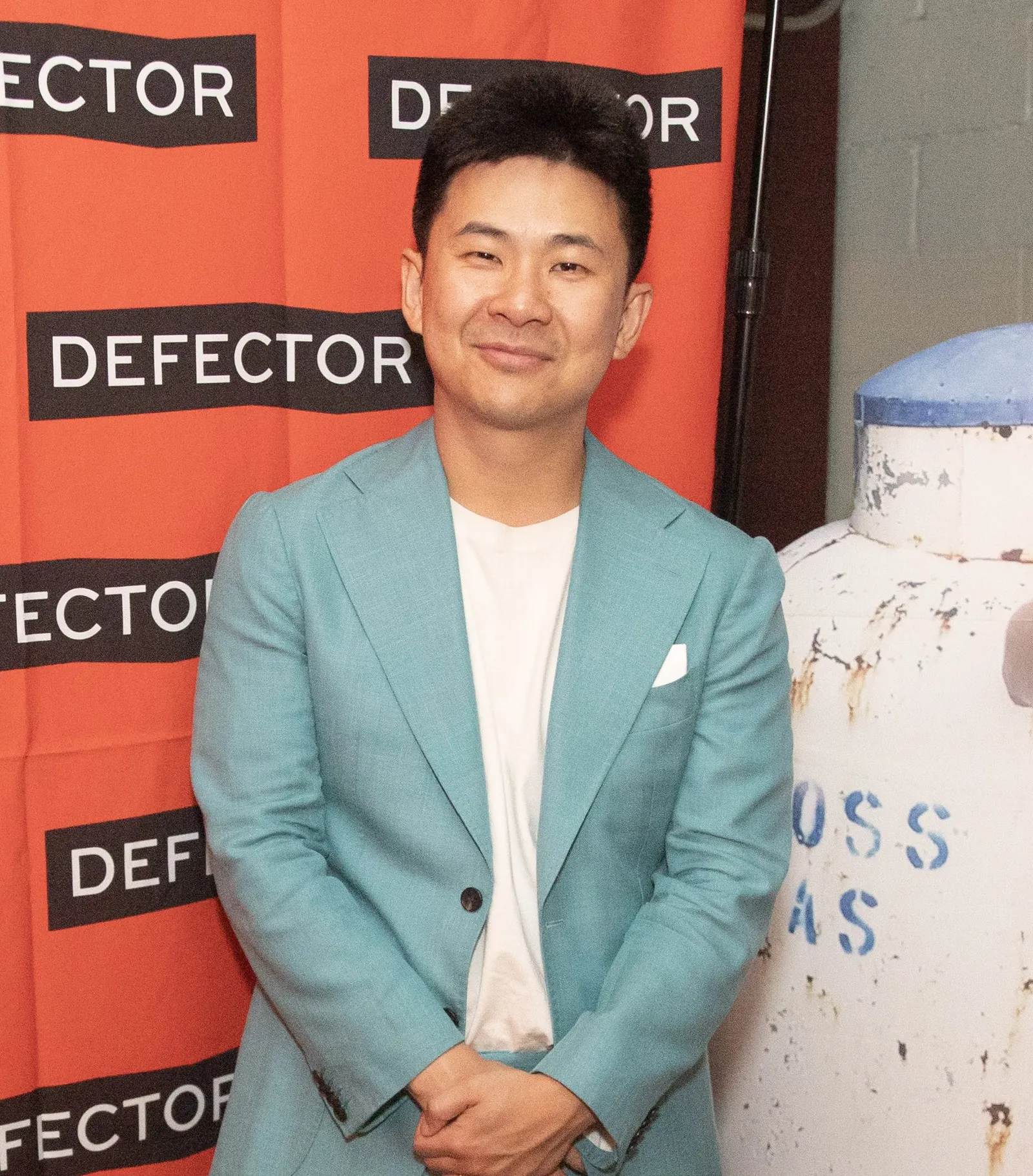
Defector had just 27 employees at the time of Wang’s report. Those 27 employees are also co-owners in the business, with full voting rights on high-level decisions as well as opportunities to influence policy as members of internal standing committees. That setup might lead outsiders to think feedback is easier to give at Defector than elsewhere, but in an interview, Wang told HR Dive that just wasn’t the case.
“You might think everybody should be on flatter ground and should feel comfortable giving other people feedback, but if you don’t have a culture or any processes for doing that, then no, people aren’t actually going to say anything,” Wang said.
Starting from zero
Defector faced two primary obstacles to addressing its feedback problem. For one, its employees all work remotely, so delivering feedback might require awkward phone calls or Slack messages. It’s an arrangement that “already puts peoples’ guards up” compared to a traditional office setting, Wang said.
The company also contends with the reality of its founding. Most Defector staff joined to form the website after negative experiences working at larger, corporate-owned media firms that largely did not excel at performance management practices.
“My observation is that corporate media does not do a particularly good job at HR matters,” Wang said. “My colleagues, who are writers and editors, it is not in their nature to want to do this and to have experience doing this.”
Defector staff were even more unfamiliar with the concept of performance management training, so in that respect, the company was “starting from zero,” Wang said. Defector enlisted Your Other Half, an external HR provider, to help develop a companywide training that focused on giving and receiving structured feedback.
How ‘feedback champions’ lead the way
The next step was to appoint at least one member of each of Defector’s three-person editorial pods to be a “Feedback Champion.” Champions interview each pod member twice annually to ask for that employee’s feedback on their podmates.
The champion then synthesizes those comments with nonanonymous, written feedback that is collected throughout the year in a companywide Google Form to provide a personalized report to each employee. The report provides a list of action items for employees to address over the next six months. Then the process repeats.
Champions reflect Defector’s broader organizational philosophy, which features limited hierarchy or top-down management. Employees are meant to talk to the champions as peers rather than managers, Wang said, and the fact that the role is specific to a particular pod helps ensure that each champion has a holistic view of the working relationship between pod members.
Defector’s first cycle of the program took place in the second half of 2024. At the time, Wang said he would have considered the initiative a success if employees shared any feedback at all. He emphasized to staff that positive feedback counted as feedback, and subsequently, much of what employees said during the first cycle was long-overdue positive feedback.
“Oftentimes when I think about people I’ve seen in managerial roles and where they have failed, they themselves just don’t show appreciation enough,” Wang said. “Some of this is just building muscles.”
The company’s second cycle showed, however, that once a habit of sharing feedback had been established, the shape of what was shared began to change. Commenters were generally more comfortable giving more constructive, blunt feedback, a trend that Wang hopes will continue to move in this direction with each successive cycle.
Defector’s structure also makes feedback function slightly differently compared to how it is used at other businesses. Staff aren’t necessarily working toward a promotion or a particular career path, so the purpose is instead shifted toward self-directed goals or meeting co-workers’ expectations.
“The performance management piece is trickier because it is just the case that we are all co-owners and there’s no hierarchy, so who’s to tell you if you’re doing a good job or not,” Wang said. “It’s sort of a soft version of that.”
The downside of low turnover
Wang wrote in his report that Defector has a near-zero turnover rate, and all 19 of the company’s original co-founders remain with the company. It’s a scenario that comes with obvious strengths given the expenses caused by turnover, but Wang said he is also concerned that things can get stale.
“If you think about a place in your organization that is super stable, stable crosses over the line to stagnant or complacent, sometimes without you noticing,” he explained. “It’s just too easy to keep your head down and say ‘no big fires’ — if nobody quits, then there’s no big problem — and that’s just not true.”
Suboptimal processes and bad habits can become entrenched if unaddressed, he continued, which forms part of the reason why Defector retooled its feedback process. Wang said in the report that the champion system is meant to be a “bulwark” against staleness.
‘Be humanist, not legalistic’
Formal HR processes can be tough to sell at a company like Defector. That’s in part due to its employee-owned structure but also because many co-founders were part of a well-documented split from competitor Deadspin after disagreements with management.
Wang acknowledged that staff didn’t soften up to HR overnight. But because all employees are co-owners and wear various other hats in the business, “it’s just natural that they would have more of an appreciation of the importance of HR,” he said.
HR professionals perform a function that often does not enjoy a positive reputation, even among industry leaders. Wang said practitioners can acknowledge that reputation while performing their functions in a way that meets people on a human level.
“Be humanistic, not legalistic,” Wang said. “There’s lots of times where you can improve the employee experience in the day to day.”