Reverse discrimination has been a hot topic heading into 2026.
But while court dockets logged several lawsuits filed by majority-group plaintiffs in 2025 — many of whom were White current or former employees challenging employers’ hiring practices, training and other internal DEI policies — attorneys who spoke to HR Dive in the past week said they have not seen much of an increase in reverse discrimination litigation, if at all.
“I have not observed, as a matter of practice, an increase in the number of [such] cases,” said Julie Levinson Werner, partner at Lowenstein Sandler, who instead noted that the biggest shift on the subject has been the attention paid to it by employers and members of the public.
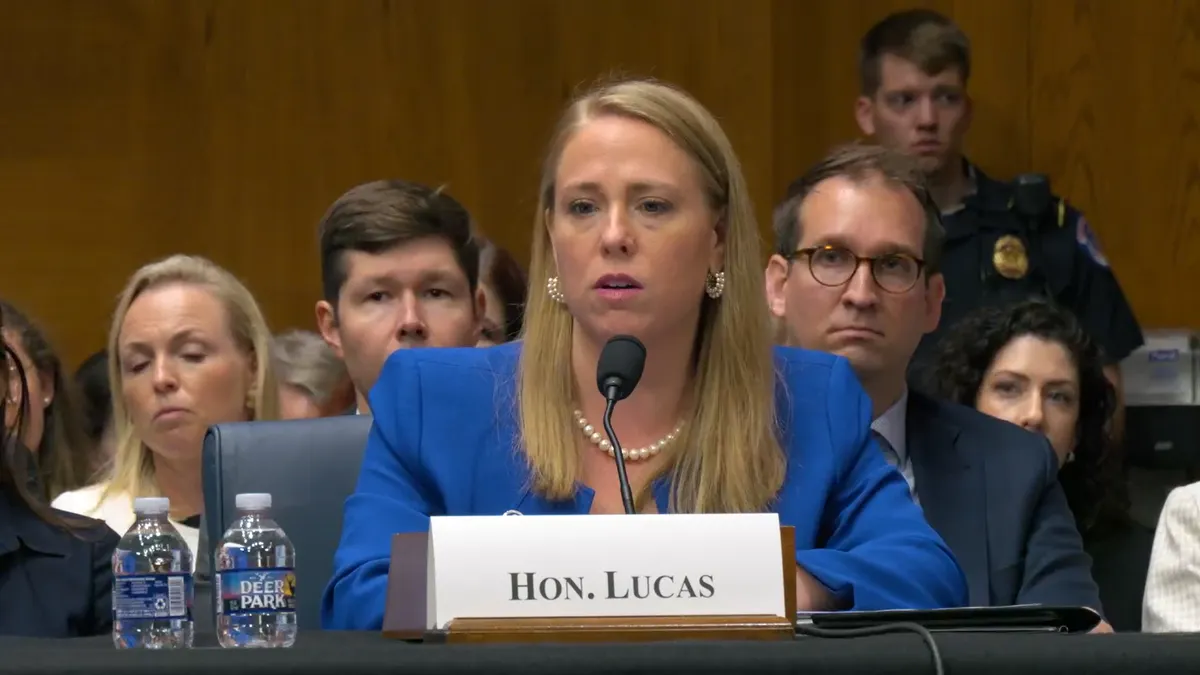
Andrew Scroggins, partner at Seyfarth Shaw, agreed and told HR Dive that a more significant change is the emphasis that regulators, namely the U.S. Equal Employment Opportunity Commission, have placed on bringing reverse discrimination claims. This was perhaps best exemplified by EEOC Chair Andrea Lucas’ December social media post inviting White men to submit discrimination charges to the agency.
“Title VII always was intended to prevent discrimination and harassment, and it didn’t matter which direction that was flowing,” Scroggins said. “The difference is in the type of charges brought forward that were typically not the kind of charges that the EEOC would devote its resources to.”
Amid the broader backlash against diversity, equity and inclusion programs in 2025, the U.S. Supreme Court handed down its Ames v. Ohio Department of Youth Services decision, removing court-imposed barriers on majority-group plaintiffs alleging job discrimination.
At the time, attorneys anticipated that the high court’s unanimous ruling would set the stage for an increase in similar “reverse discrimination” lawsuits.
The case’s outcome dovetailed with promises of anti-DEI enforcement by the Trump administration and federal agencies like the EEOC and Federal Trade Commission.
A ‘more aggressive and assertive’ federal response
Last year, EEOC’s operations were limited due to the lack of a quorum caused when President Donald Trump dismissed two of the agency’s Democratic members. As a result, the commission could not issue new guidance nor undo rules put in place during the Biden administration. EEOC even took a step back on the litigation front, logging its lowest rate in 10 years.
Lucas instead “used the bully pulpit” to spread the agency’s new agenda, Scroggins said, while EEOC’s litigators honed in on specific cases that echoed those priorities.
Once EEOC’s quorum had been restored last Fall, the new Republican majority set about making internal rule changes that consolidated power within the chair position and may help hasten the majority’s plans.
Employers have already seen some results from these developments, namely the long-anticipated scrapping of EEOC’s Biden-era workplace harassment guidance. But HR should expect the commission to take bold swings this year, Scroggins continued, especially as it develops a pipeline of cases that advance its perspectives on reverse discrimination and other areas.
“I think we’ll see a more aggressive and assertive EEOC this year,” Scroggins said.
Companies sweat ending up in agency’s ‘crosshairs’
EEOC has long publicized the names of employers it has taken to court, but last year marked a shift in the agency’s approach toward identifying employers targeted for investigations or subpoenas.
In one example, Lucas sent letters to several law firms outlining information requests about the firms’ DEI programs, at least four of whom entered settlement agreements with EEOC as well as agreements with Trump himself.
The president’s direct involvement in last year’s law firm saga showed just how much more directly the Trump administration might target employers than its predecessors, according to Werner. EEOC said this week that it “considers the matter of responding to those letters closed.”
Considering heightened public scrutiny around DEI, she said it’s likely HR departments will see more such cases in 2026.
“It’s unprecedented to have that level of presidential involvement in those kinds of things,” Werner said. “Companies are more sensitive to finding themselves in the crosshairs.”
However, EEOC’s laser focus on reverse discrimination and other enforcement priorities could play to some employers’ advantage. Scroggins said he has already seen instances in which employers have successfully persuaded EEOC investigators to drop charge investigations that don’t align with the administration’s priorities and instead issue charging parties a right-to-sue notice.
“I’ve seen EEOC just agree and step away and not conduct an investigation,” Scroggins said.
The agency’s investigators tend to have limited bandwidth and resources, he continued, which may suggest a desire to pick and choose their battles.
Even so, Scroggins said employers should expect EEOC to aggressively pursue other charges to a degree employers might find unreasonable. Whether the agency adopts this posture could depend on the specifics of the investigation, the region the investigator is from and the specific request made of an employer, among other factors.
DEI practitioners chart a course forward
Despite increased enforcement risk, the pace of change has slowed compared to early 2025, when “there were so many executive orders in such quick succession that employers were challenged to figure out what the new rules were and how to comply,” Scroggins said.
Most employers, he added, seem to feel more comfortable about how their DEI policies and programs align with the administration’s new guidelines.
Other sources have suggested that the last year has created a divide between practitioners on how to move forward. Regardless of their stance on DEI, employers are generally more careful about their recruiting processes and messaging, Werner said.
For example, some employers in past recruiting cycles may have required applicants to submit essays or statements on how diversity or how their life experiences as part of a minority group affected them. According to Werner, those kinds of requirements have been reshaped, with employers instead asking more generic questions about candidates’ life experiences.
Employers are also focusing on maintaining broad applicant pools that allow them to attract the most qualified candidates with messaging that aligns with their values, and some have placed particular emphasis on ensuring alignment between written and verbal communications. But maintaining organizational values remains a key piece, Werner said, as it ensures continuity despite wherever the political winds may blow.
“Different companies have different views of these things,” she continued. “I don’t think there’s any reason why companies should change what their values are.”