Dive Brief:
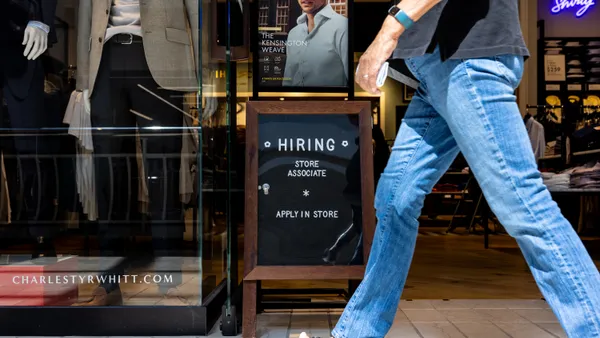
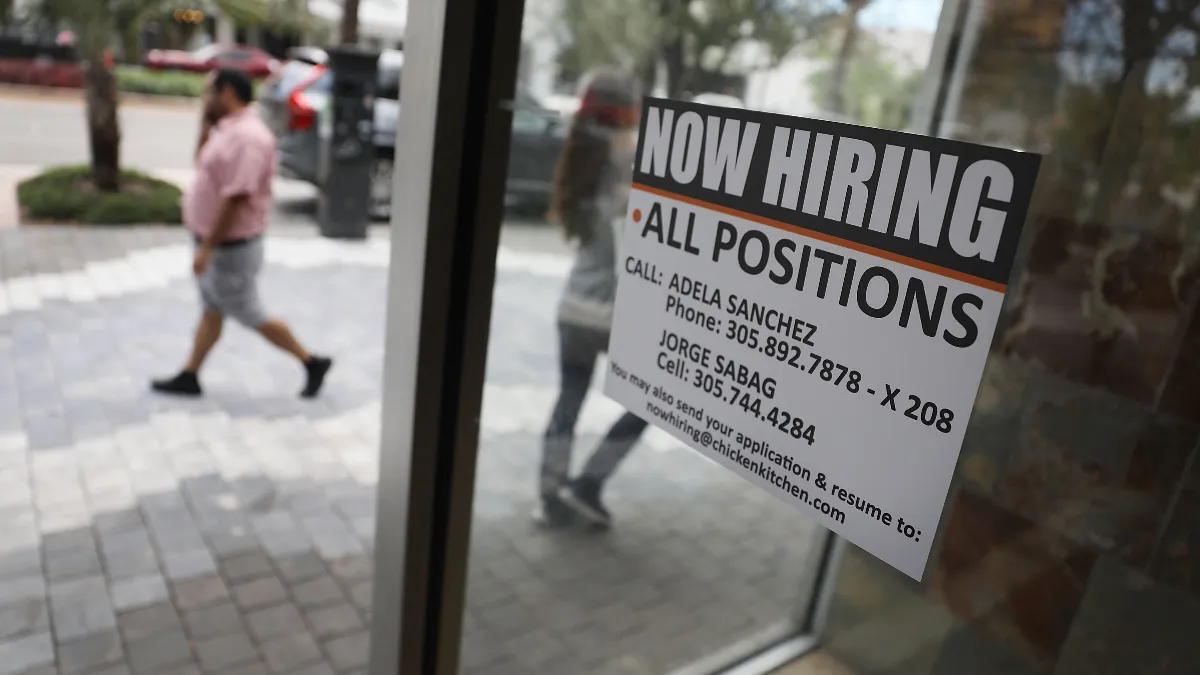
- In the U.S., 59% of HR executives said they planned to increase their hiring in the first half of 2026, up from 54% in Q4 2025, according to a new The Conference Board survey of CHROs.
- That number is up slightly from 54% in Q4 2025, which pushed the CHRO Confidence Index to a new high of 59 — a number that The Conference Board called “the strongest reading since the series began in Q1 2023.”
- By contrast, 17% of CHROs said they expected to decrease their hiring over the next six months, up slightly from 15% in Q4 2025. The report said an uptick in retention reflected stabilization rather than momentum and added that while 34% of CHROs expected improved retention, nearly half expected no change.
Dive Insight:
The Conference Board said that while the three components of the CHRO Confidence Index — hiring, retention and engagement — were improved compared to the last quarter of 2025, the gains concealed a developing imbalance. Even as hiring and engagement strengthened, for example, retention was still weak.
Meanwhile, expectations for existing employees rose sharply in Q1 2026, with 53% of CHROs surveyed saying they expected engagement levels to increase, up from 43% in Q4 2025. Another 21% said they expected engagement levels to decrease, down from 24% quarter over quarter.
However, CEO coaching organization Vistage also collected Q1 2026 hiring data and found that while 51% of CEOs surveyed said they planned to expand their workforce, that number was down from 57% in Q4 2025. Another 14% of CEOs from that study said they planned to delay hiring or hold roles open. Vistage cited “the unanticipated Iran War” as one of the reasons CEOs felt they were facing “an uncertain future.”
Widespread unease was also reflected in a January survey from The Conference Board, which came out before the war but spoke to other concerns. That research found that for U.S. CEOs, uncertainty was their top economic concern, with 43% ranking that the biggest threat in 2026, followed by 35% who cited the risk of a downturn or recession. Another 34% said they were most concerned about the “potential erosion of the rule of law.”
“CHROs should treat this moment as an opportunity to redesign the employee experience, investing in leadership quality, skills development, and more personalized employee engagement,” Diana Scott, U.S. human capital center leader at The Conference Board, said in a statement. “Organizations that balance hiring with internal mobility and skill building will be better equipped to sustain growth.”
The largest share of workforce investments over the past six months have been focused on leadership development, followed by artificial intelligence or automation for HR or operations and employee retention and engagement initiatives, per The Conference Board report.