Employers and workers alike are expected to face a healthcare ‘affordability crunch” in 2026, Mercer warned in a November report. Costs are projected to climb 6.7% next year, making the average cost per worker for employer-sponsored health insurance $18,500, Mercer said.
Part of those increases is tied to a “sharp growth” in prescription drug spending, namely pricey GLP-1 weight-loss medications, Mercer said.
At the same time, employers are trying to make sure the benefits they do offer resonate with workers. Some, for example, are rethinking their approaches to fertility care and parental benefits.
Read on for some predictions experts shared with HR Dive about what to expect in the benefits world next year.
1. Employers will take a proactive role in reshaping wellness benefits.
“As healthcare costs continue to rise, employers and HR leaders are seeking creative, cost-effective solutions that positively impact employees. As a result, I expect to see more coalitions of employers exploring innovative, outcomes-based arrangements with health plans, PBMs, and provider partners to improve affordability, access, and clinical results,” said Jason Macaleer, chief strategy officer for Vida Health, a virtual healthcare company.
2. There will be a spotlight on fertility and parental benefits.
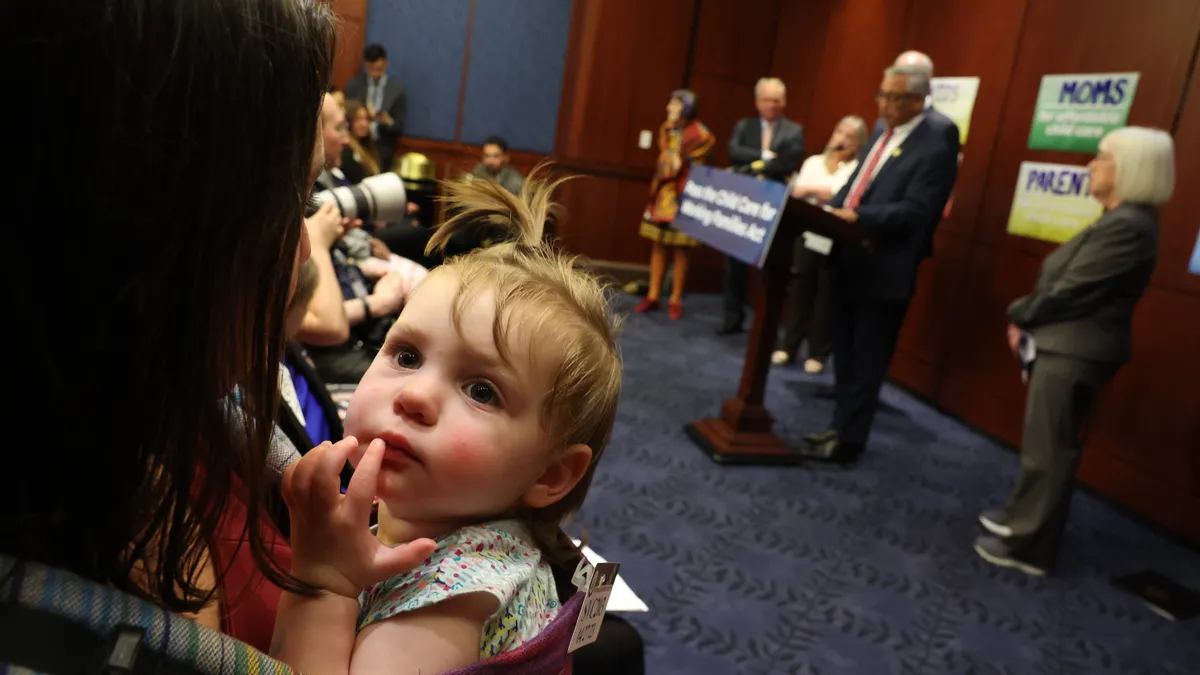
“Fertility benefits and parental benefits will take center stage in 2026, especially with California’s recent mandate that large group insurance plans cover certain fertility diagnoses and treatments. I also think parents will demand more wellness benefits — namely, that they include childcare,” said Caitlin Kamm, director of people growth for Envoy, a workplace management platform. “While it remains an employer’s market, we’ll see more companies try to meet more of the demands of working parents.”
3. ‘She-cession’ to continue unless women receive the flexibility and benefits they need.
“Half a million college-educated women at director and VP levels have already left the workforce in 2025 due to return-to-office mandates implemented without the care and support that made remote work successful for working parents in 2020. Companies have forgotten that investing in people, benefits, and flexibility was what actually drove retention during the pandemic,” said Deborah Hanus, CEO of employee leave management platform Sparrow.
4. Paid family leave will be up to employers.
There will be little change or improvement for paid family leave at the federal level, said Dirk Doebler, CEO of Parento, a paid parental leave insurance provider.
5. Employers will effectively reduce insurance coverage.
Spiking premiums will lead employers to either provide less coverage or pass rising costs onto workers, Doebler said.