The eyes of the globe are glued to North America for the 2026 World Cup. Though the U.S., Canada and Mexico will share host duties for the soccer tournament, the bulk of the event will take place in U.S. cities from coast to coast.
Matches begin in Mexico on Thursday and culminate with the final on July 19 in East Rutherford, New Jersey. The event could affect workplaces for the next several weeks, and employers may need to revisit policies on subjects ranging from remote work to compensation, according to Marissa Mastroianni, an employer-side attorney and member at Cole Schotz.
1. If your city is hosting a match, expect commute delays
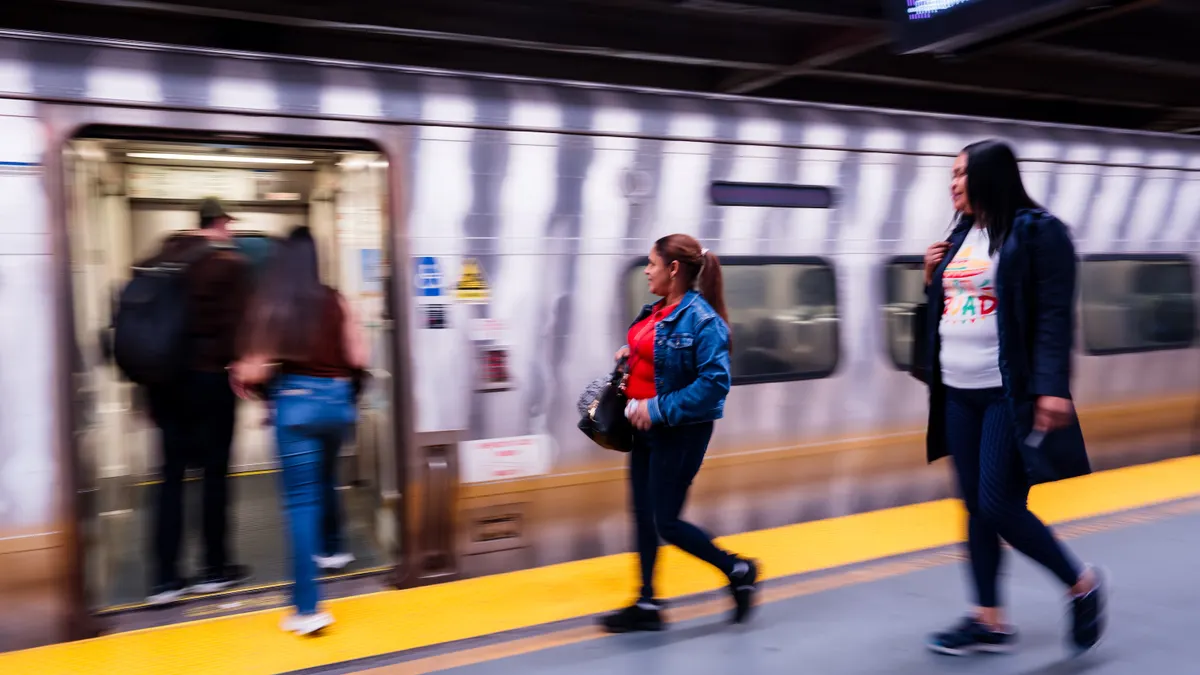
Perhaps the most obvious concern is the sheer influx of fans. Last year, advisory firm Tourism Economics projected that more than 1 million international visitors would travel to the U.S. throughout the month of June and early July. While initial analyses suggest that fewer fans may show up than anticipated, employers in host cities can nonetheless expect additional congestion on roads and public transit networks, Mastroianni said.
Eleven U.S. metropolitan areas will host at least one World Cup match. Mastroianni, who is based in New Jersey just miles away from the final match venue, said she is already seeing local employers choose to allow employees to work remotely on match days so as to avoid extended commute times.
The federal government is doing the same. On June 2, the U.S. Office of Personnel Management issued a memo stating the federal agencies with offices in host cities may approve telework and other work flexibility. OPM also suggested that agencies allow affected employees additional time for travel throughout the tournament.
Employers may view OPM’s memo as a starting point in formulating their own policies, Mastroianni said. However, because the document is not highly detailed, she recommended that communications to employees be drafted with specific references to applicable paid time off and leave policies as well as detailed guidance on when employees may work remotely and performance expectations for those who do so.
“This memo sends a clear message that the federal government expects significant travel impacts in the host cities,” Mastroianni said. “If an employer was unsure how much traffic a game may cause, this confirms that the employer should expect high levels of disruption.”
Lesser consideration has been given to workers in jobs that require physical presence, she noted. Here, companies might want to consider taking measures like catering on-site lunches to ensure employees don’t get caught up in matchday traffic. It may also be prudent to arrange for shuttles to and from job sites so as to ease employees’ travel concerns, Mastroianni said.
2. Beware of potential wage-and-hour concerns
Time spent commuting to and from an employee’s home and the workplace is typically not compensable under the Fair Labor Standards Act, but time spent traveling between different work locations during the workday generally is, the U.S. Department of Labor has said.
Employees whose workday involves the latter category of travel may work in excess of 40 hours per week because of delays. If so, they may be owed overtime pay, according to Mastroianni.
Employees may also choose to call out during the event. If employers are finding it hard to cover shifts over the next few weeks, Mastroianni said they may consider offering some sort of premium pay rate, whether time-and-a-half or double time, to work shifts that occur during matches.
As with other large sporting events like the Super Bowl, employers can expect a fair number of call outs from employees who may or may not be sick. Employers may want to ask employees for doctor’s notes if they suspect a faked illness, but some jurisdictions set strict limits on this practice, Mastroianni noted. For example, New Jersey’s earned sick leave law permits employers to do so only if an employee uses leave for three or more consecutive days.
3. For a cultural boost, embrace the moment — but mind alcohol and gambling rules
With its theme of bringing fans of various nations together for a moment, the World Cup presents a unique opportunity for HR teams to host events focused on inclusivity, Mastroianni said. And because employees might very well watch the event at work anyway — some 14% plan to secretly stream matches or highlights on the job, according to a UKG report — it may make sense for employers to lean into the celebration.
In doing so, HR still must be wary that their celebrations adhere to workplace guidelines. Take gambling, which is a “bit of a minefield” for employers to wade into, according to Mastroianni, particularly if the employer has interest in sponsoring a gambling pool centered around the World Cup. State regulations also may apply in this area, so HR will want to tread carefully and speak with counsel before setting ground rules, she added.
Likewise with alcohol use. A World Cup happy hour event could bring employees together, but if that’s the route employers choose, Mastroianni said they may want to note that employees are expected to consume alcohol modestly and behave appropriately at such company-sponsored events.
Elsewhere, employers can get creative with their events, like catering cuisines based on the teams that are playing on match day or hosting watch parties. “The World Cup is about bringing people together and it can do the same for your workplace,” Mastroianni said.