Can mentorship make or break a new employee’s experience on the job?
Mentors can show them the ropes, answer their questions, and in the long term, guide them towards a long, healthy and rewarding career at the organization — especially important in an era of disengagement at work.
And right now, workers may not feel particularly connected with their peers. According to the Achievers Workforce Institute’s (AWI) 2026 Engagement and Retention Report, only 21% of employees say they can access the people they need to be productive, and only 20% believe company communications help keep them informed and connected.
While that responsibility doesn’t entirely fall on the shoulders of mentors, they can make a difference. AWI also found that employees with strong peer connections are 4.7 times more likely to feel engaged and 3.3 times more likely to find work more meaningful.
What do successful mentorships look like today? Such programs are often guided but not too structured, and don’t rely on managers being default mentors, experts told HR Dive.
Bridging generation gaps through mentorship
While it isn’t unusual for older generations to mentor younger generations, these age-gap mentorships are about more than simply passing information down. Instead, these kinds of match-ups help both generations learn from each other, Hannah Yardley, chief people and culture officer at software company Achievers, told HR Dive.
“It’s a natural way to bring in a difference of opinion and someone who might have a very different career than you or gone through a very different upbringing or generational experience,” Yardley said. “It allows for bidirectional flow of knowledge and thoughts and ideas.”
At the same time, an older mentor can help new hires, especially those right out of school, to learn how to exist in a work environment. “It’s really hard to raise your hand when you’re new. It’s hard to identify what your gaps are and what might round out your experience,” she said.
An organization that supports mentorships can also help Generation Z workers feel more capable of asking for help. “Calling this out allows for people to make it OK,” she said, especially since stigma remains around obtaining feedback from colleagues in a different level or position.
But mentorship programs must be treated as an important business function, rather than a perk that simply exists. Too many companies don’t have such programs — or underuse them — but those that do embrace mentorships see that they “have a great impact on the organization itself” in terms of worker satisfaction and retention, Yardley said.
Building flexibility into the mentorship model
Gen Z craves flexibility, which is a recruiting point for Group PMX and its hybrid working model, Bhavya Aggarwal, chief people officer at the construction project management company, told HR Dive.
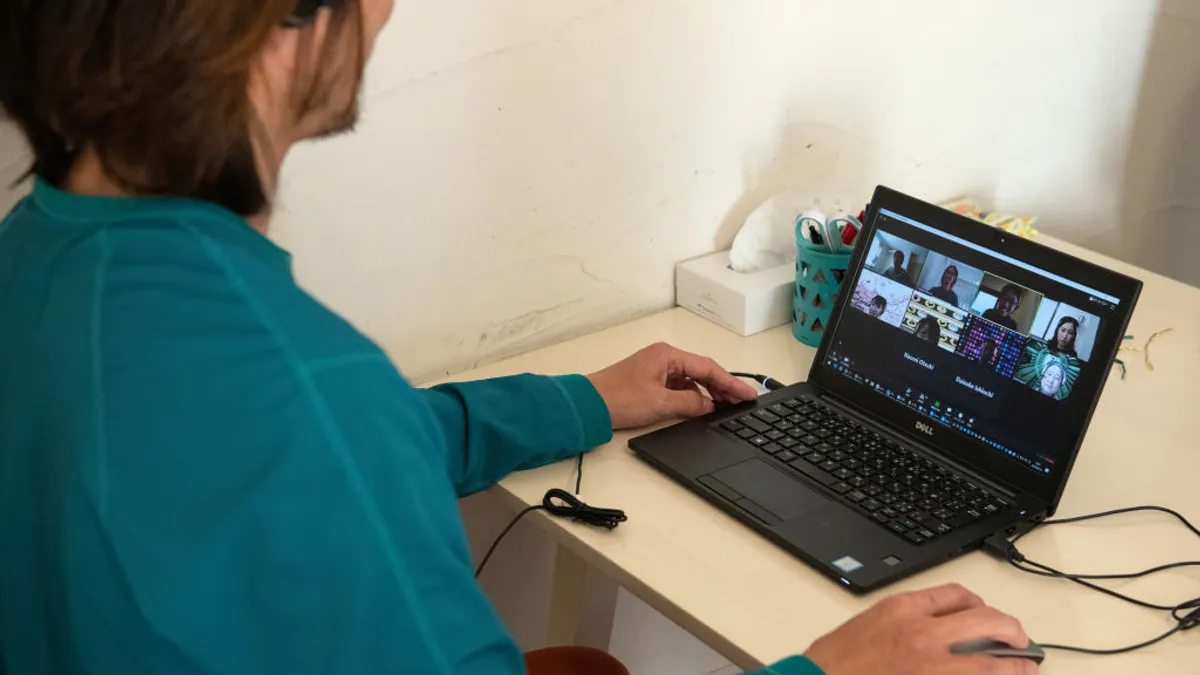
Group PMX found that this kind of work structure has also helped mentorship take root, especially for Gen Zers. It gives them both remote work and in-person instruction options, Aggarwal said.
The company doesn’t have what might be considered a formal mentorship program because “in the past they were not very effective,” said Aggarwal, noting that it was more of a box-checking exercise than something that really benefited mentees. Now, mentors have two to three mentees, and they meet “at their convenience,” she said, with the only requirement that they meet once a month.
Gen Z workers — who want to be able to work remotely but also want some in-person working time for the sake of learning and career progression — tend to thrive in this model. Mentors and mentees also “have the freedom to discuss what they really feel is going to be useful” rather than sticking to what they’re told they need to discuss, she said.
That might mean going with their mentor to meet with a client and asking questions based on their observations, for example, or being exposed to a potential career progression they might not have thought about before. This “quality over quantity” approach, she added, works better than running down a pre-written checklist.
Having a mentor show a newer worker different potential paths can be vital in keeping that worker on the job. AWI found that employees with growth opportunities are 2.5 times more engaged when developing skills and twice as likely to see a long career with their company. They’re also less likely to be job hunting; 77% of workers who said they don’t feel like they have room for growth also said they are looking for what’s next.