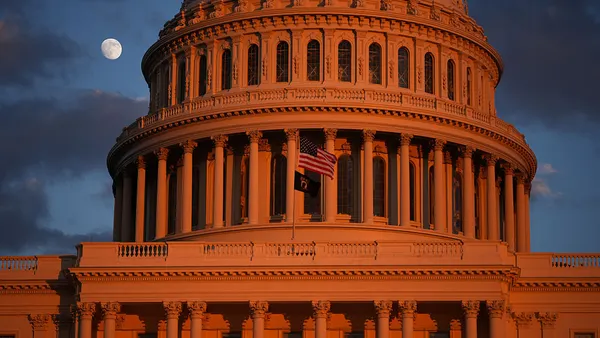
Most U.S. Supreme Court terms tend to include at least one significant labor and employment law decision. In 2025, the justices handed down a verdict that could prove to be one of their most consequential for the discipline in years.
The court’s unanimous opinion in Ames v. Ohio Dept. of Youth Services struck down a lower court’s standard requiring majority-group plaintiffs who allege job discrimination to show background circumstances to support their claims. Observers saw Ames as a key test case for what are often called reverse discrimination claims, as well as a moment of caution for HR departments.
The high court waded in on other issues, too. For one, it clarified whether the Americans with Disabilities Act’s protections apply to retirees who sue for discrimination with respect to retirement benefits. The court also decided a question on pleading requirements under the Employee Retirement Income Security Act and declined to hear a Black dancer’s bias lawsuit — the latter move drawing a rebuke from Justice Ketanji Brown Jackson.
Read on for our coverage of SCOTUS’ employment decisions last year, as well as a much-anticipated case currently sitting before the court, Slaughter v. Trump, which will address the independence of federal agencies.