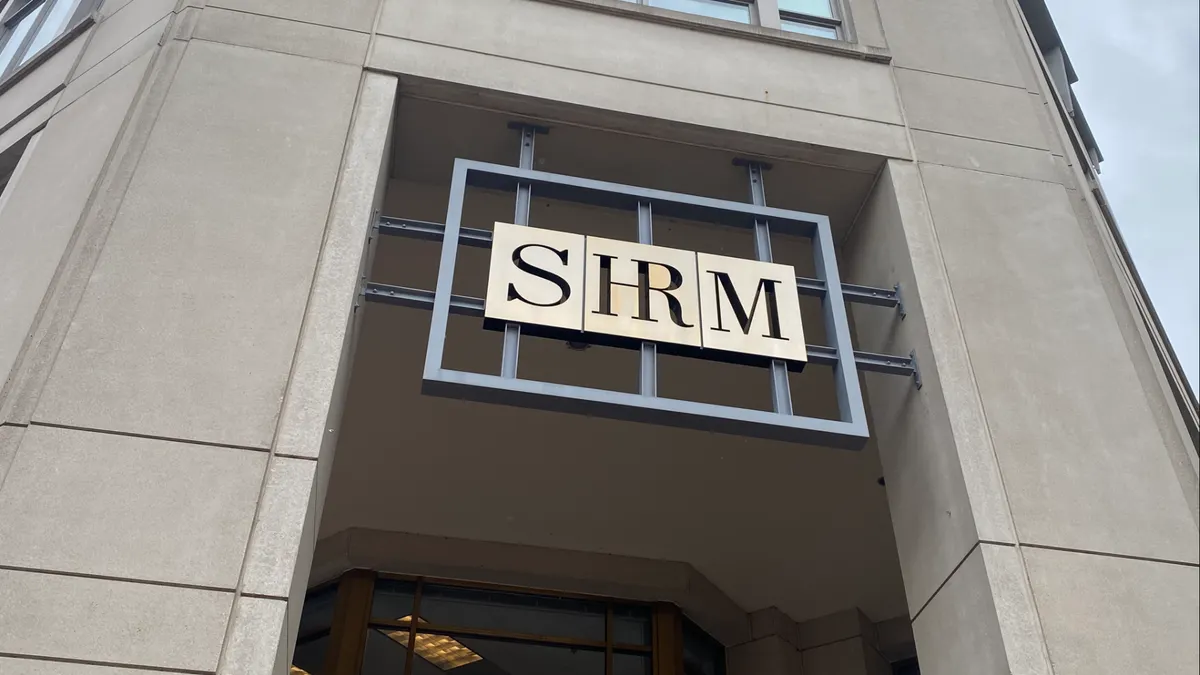
A company that carried an employment practices liability insurance policy for SHRM filed a lawsuit against the HR organization Tuesday, asking a court to declare that the insurer is not responsible for a multimillion-dollar punitive damage award in a race bias case.
Twin City, a subsidiary of Hartford Fire Insurance Co., said it should not be required to indemnify SHRM for the $10 million award because the jury found the HR organization engaged in intentional race discrimination and retaliation.
In Virginia, where SHRM is headquartered, state law prohibits the insuring of punitive damages awarded for intentional acts, the insurance company argued. It said it made that clear to SHRM when it first agreed to defend the organization against the race bias claim, Mohamed v. SHRM, and afterward.
The underlying claim
In Mohamed, a former employee alleged she was excluded from meetings and professional opportunities after complaining about race bias in the workplace, and fired shortly thereafter.
A jury late last year awarded her $1.5 million in compensatory damages and $10 million in punitive damages, finding that the organization discriminated against her based on her race.
SHRM requested a new trial earlier this year, arguing that a judge should have excluded evidence and arguments portraying SHRM as a “model employer,” among other things. A judge, however, upheld the verdict in April, and SHRM began the appeals process.
Next steps
SHRM still believes the Mohamed claims are without merit and is “allowing the appellate process to proceed,” Eddie Burke, the organization’s director of media affairs, told HR Dive Wednesday. “Our insurer acknowledged and accepted coverage in writing, and we understand our policy fully covers SHRM,” he said. “We are confident in our position and expect the insurer to honor its contractual obligations.”
The organization has until Friday to file its Mohamed brief with the 10th U.S. Circuit Court of Appeals, according to court documents.
The future of that appeal, according to the insurer, could be affected by the outcome of Tuesday’s EPLI lawsuit, Twin City Fire Insurance Co. v. Society for Human Resource Management.
“The parties have been unable to reach agreement regarding responsibility for funding the punitive damages award, should it be affirmed on appeal,” the insurer said in its complaint. “The coverage dispute therefore affects the parties’ present conduct and requires immediate resolution.”
Editor’s note: This story has been updated to include comment from SHRM.