Dive Brief:
- For front-line workers around the world, the most pressing issues are flexibility, financial wellness and having a say when it comes to their work-life balance, according to a recently released 10-country survey of more than 8,000 workers from workforce management platform UKG.
- More than three-quarters of front-line employees surveyed reported burnout in 2025, and 56% said they were living paycheck to paycheck, although that number is down from 64% in 2024, per the report.
- Nearly half (47%) said there were two separate cultures at their workplaces: one for front-line employees and one for everyone else. In addition, 28% of all front-line workers said “there are not enough opportunities to move up in their current organization.”
Dive Insight:
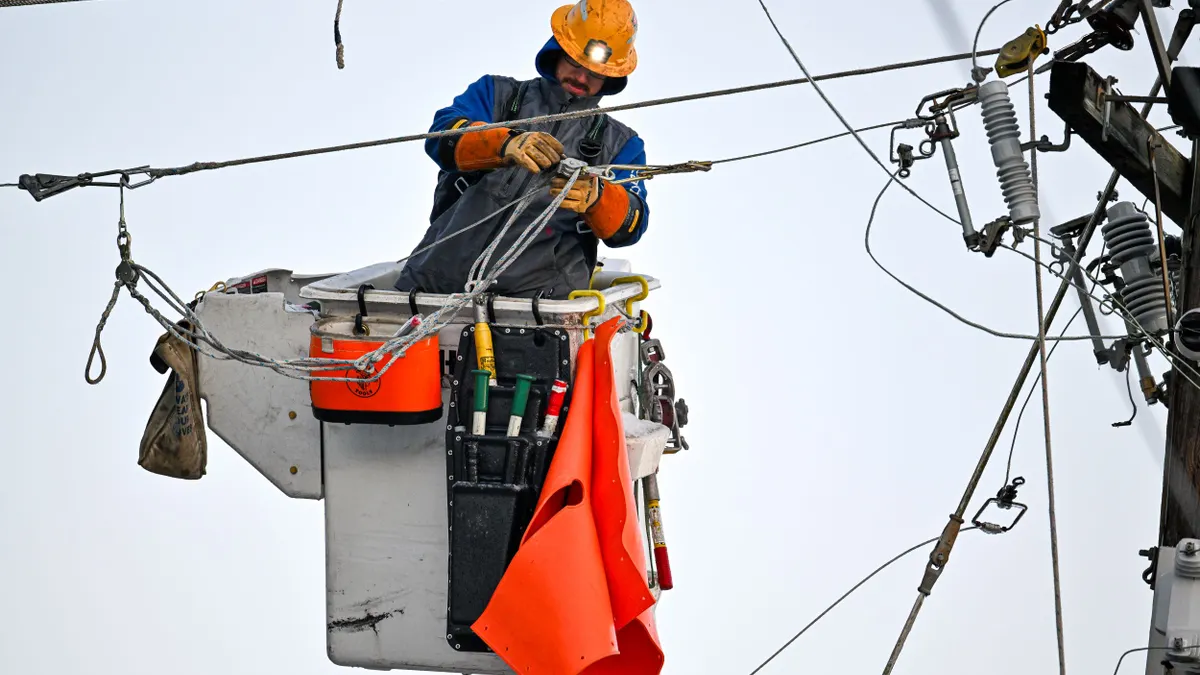
Front-line workers — meaning employees who need to do their jobs in person, as well as workers who build products and serve customers, patients, students and residents — comprise almost 80% of the global workforce, according to the UKG, which cited Statista and research firm Gartner.
In the U.S., front-line workers make up 70% of the workforce, according to a 2025 study by HR advisory firm The Josh Bersin Co. in collaboration with UKG. That same study found that these workers are increasingly difficult to find, train and retain.
After salary, scheduling flexibility was the most important factor when it came to whether front-line employees stayed at their jobs or left.
Half of employees surveyed said it was challenging to make last-minute shift changes when personal issues come up, and 57% said they weren’t able to take enough time off. In the hospitality industry, 58% of front-line workers said their schedules made it “impossible to maintain a healthy lifestyle,” per the report.
A lack of upskilling was also cited in the recent UKG study, with 20% of front-line employees saying that there aren’t enough opportunities to learn new skills. However, 36% of manufacturing front-line employees reported learning new skills, including how to use artificial intelligence, to prove their worth.
“Frontline workers are shaping the customer experience, delivering the goods we want, and providing the services we need that make the world’s economy run,” Rachel Barger, president of Go-to-Market at UKG, said in the report, adding that understanding their underlying pain points was crucial. “This understanding supports leaders to improve employee engagement and retention by knowing where to step in to provide support.’