Dive Brief:
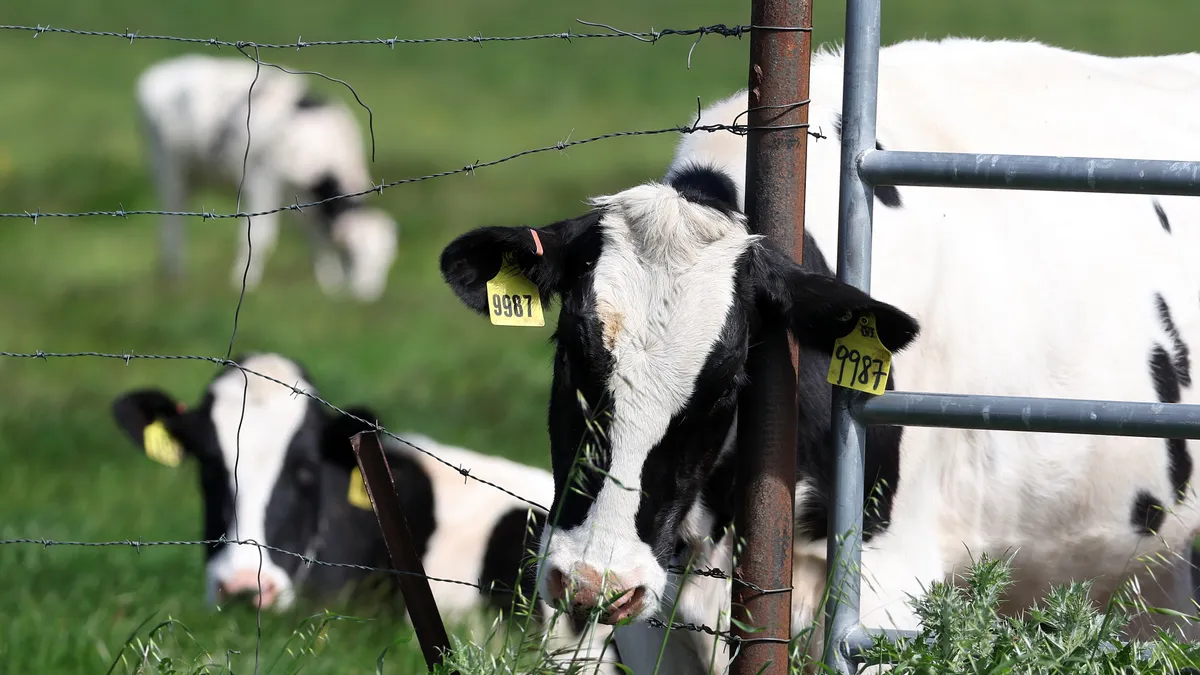
- The U.S. Equal Employment Opportunity Commission filed a lawsuit Wednesday against United Pride Dairy, a dairy farm in Phillips, Wisconsin, alleging discrimination against three employees of Mexican origin and sexual harassment of a female employee, according to a press release (EEOC v. United Pride Dairy LLC).
- The dairy farm allegedly told three Mexican nationals that they would hold professional or management positions upon hiring but instead assigned them laborer positions. A manager “justified the disparate work assignment based on a negative stereotype of American workers, saying ‘Americans are lazy,’” according to EEOC’s description of the complaint filed in the U.S. District Court for the Western District of Wisconsin.
- United Pride Dairy also allegedly permitted a Mexican employee’s direct supervisor to sexually harass her by frequently sending her demeaning pornographic images and repeatedly making sexually offensive comments to her, EEOC said. Nicole Marklein, a partner at Cross Jenks Mercer & Maffei LLP, the firm representing the defendant, said her “client denies that it discriminated against or otherwise mistreated any of its employees — regardless of their race, gender, nationality, or any other protected basis,” in an emailed statement to HR Dive.
Dive Insight:
The lawsuit alleged national origin discrimination in violation of Title VII of the Civil Rights Act of 1964.
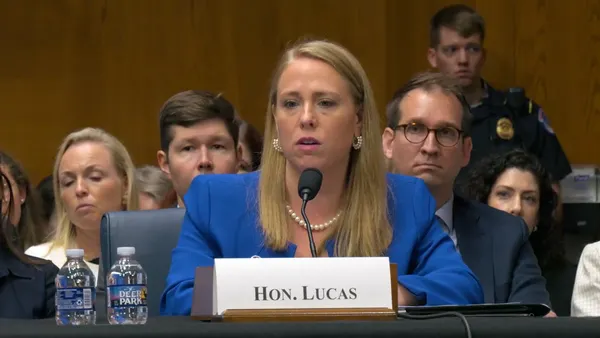
“Workplace actions based on unlawful stereotypes about any group of workers — including assumptions that foreign workers are somehow ‘better’ than Americans — are a serious violation of federal law,” EEOC Chair Andrea Lucas said in a statement. “The law is clear: employers cannot abuse the visa process to import foreign labor under false pretenses.”
National origin discrimination has been a focus of EEOC this year, particularly when it comes to anti-American national origin discrimination. After President Donald Trump named Lucas acting chair of the agency, she expressed a plan to reduce anti-American national origin discrimination, “consistent with the president’s executive orders and priorities.”
In February, Lucas decried the prevalence of unlawful bias against American workers, which she characterized as “a large-scale problem in multiple industries nationwide.”
“Many employers have policies and practices preferring illegal aliens, migrant workers, and visa holders or other legal immigrants over American workers — in direct violation of federal employment law prohibiting national origin discrimination,” Lucas said in the February statement. “Cracking down on this type of unlawful discrimination will shift employer incentives, decreasing demand for illegal alien workers and decreasing abuse of the United States’ legal immigration system.”
EEOC continued to beat on this drum by publishing a technical assistance document in November showing how anti-American bias can violate Title VII. For example, disparate treatment can appear in hiring and compensation, workplace training, fringe benefits and promotion or demotion, EEOC said.
In the United Pride Dairy case, Lucas said the “illegal workplace misconduct” harmed both American and foreign workers.
“Federal law provides even-handed protection for all workers, and the EEOC will vigorously enforce national origin protections,” Lucas said in the statement.
“We are disappointed and concerned to learn that the EEOC has filed this lawsuit despite my client’s full cooperation with an investigation that has revealed no evidence of unlawful discrimination or harassment,” the defendant’s attorney said in the statement. “While my client and I wish the EEOC would use its resources to investigate and remediate true instances of employment discrimination, we have no choice but to vigorously defend this baseless lawsuit.”