Dive Brief:
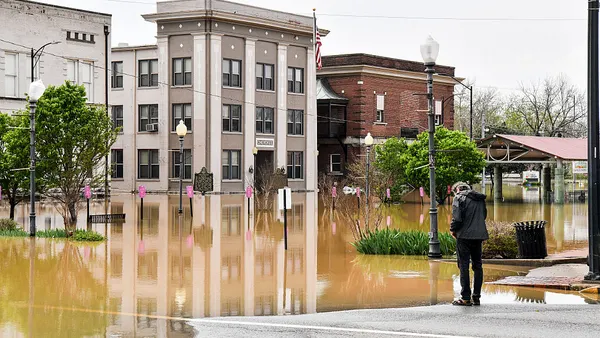
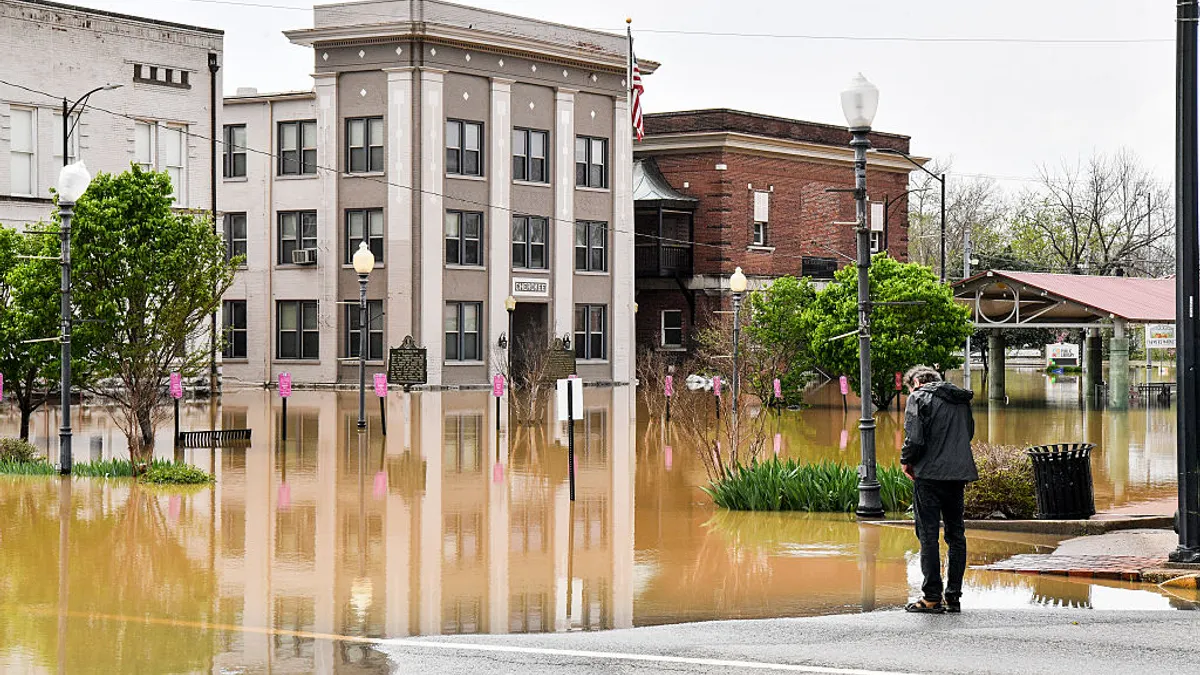
- Global weather events are increasing in both frequency and volatility, and companies need to be aware of how that affects their employees, according to a Deloitte report released Monday.
- In a survey of individuals’ sustainability-related experiences across nearly 20 countries, 66% of respondents said they had experienced at least one extreme weather event in the last six months, and more than half reported facing extreme heat.
- Among those who experienced extreme weather, 22% said it had caused them to miss work or school, with the number rising to 35% among people aged 18 to 34. Respondents reported associated problems with transportation, health and finances.
Dive Insight:
Deloitte’s research found that weather-related disruption frequently affected day-to-day workforce dynamics far beyond missed shifts. Resulting health challenges and financial hardship can affect productivity and work quality, per the report.
As a result, 54% of respondents across 17 countries said they were taking steps to improve their personal and household resilience from weather and environmental damage, including stocking up on non-perishable food, purchasing emergency supplies, or investing in heating, ventilation and air conditioning upgrades.
Deloitte said these kinds of preparations suggest a heightened individual risk perception in the workforce and should prompt companies to question the extent to which workforce resilience should be part of their overall risk management and human capital strategy.
Organizations that don’t account for household-level extreme weather effects on workers “may systematically underestimate their exposure,” per the report.
Recent research has also found that climate change might also affect the cost of health insurance plans as well as on-the-job worker safety.
To help organizations better account for structural vulnerabilities brought about by weather-related challenges, the report suggested asking questions about which roles, sites and teams could be “most vulnerable to weather-related impacts and absenteeism” and how effective any contingency plans are if multiple employees or groups are affected at the same time.
Deloitte also suggested examining where support could be provided “to help workers cope with heat stress, poor air quality, and other environmental stressors.” The report said that even “modest interventions” such as flexible scheduling, emergency leave and transit assistance could provide meaningful assistance to employees in need.
“The frequency and severity of extreme weather are likely to increase in the years ahead,” the report said. “By recognizing it as a workforce issue impacting personal and operational resilience, organizations can better align investments with the realities that employees and the business face. In doing so, organizations not only protect operational performance, but also build a more adaptive, loyal, and resilient workforce in the face of growing climatic uncertainty.”