ORLANDO, Fla. — Recruiting is perhaps the biggest application of artificial intelligence in the HR space, with 93% of talent acquisition professionals stating they planned to increase their AI use in 2026.
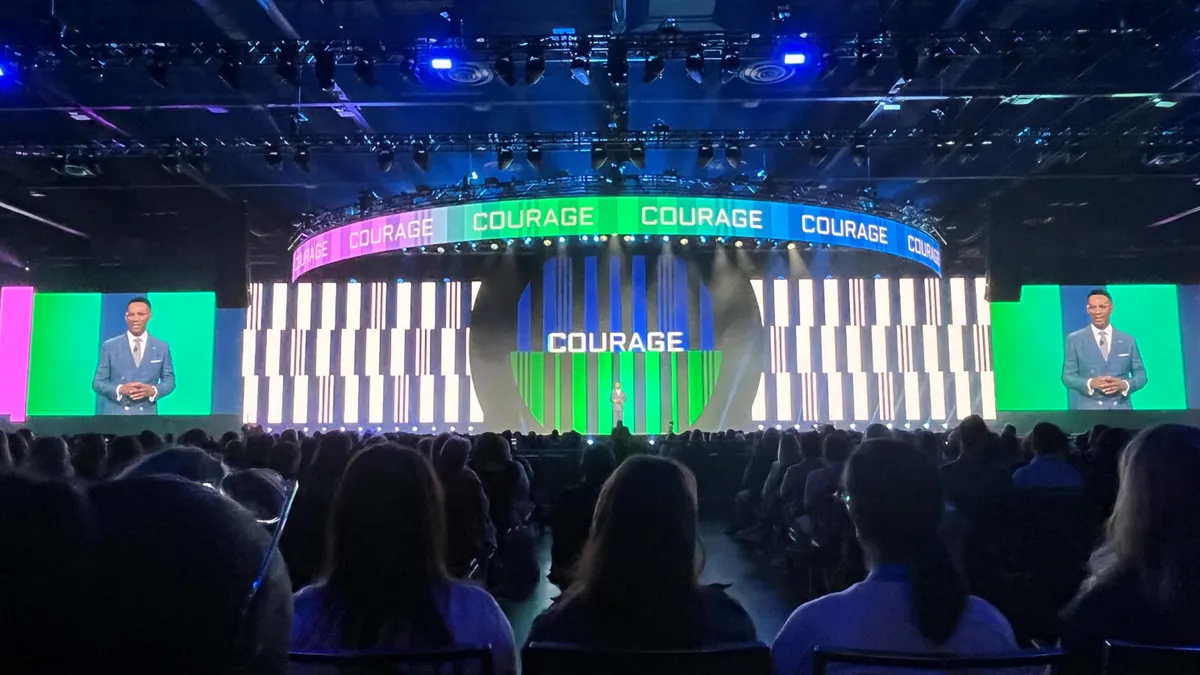
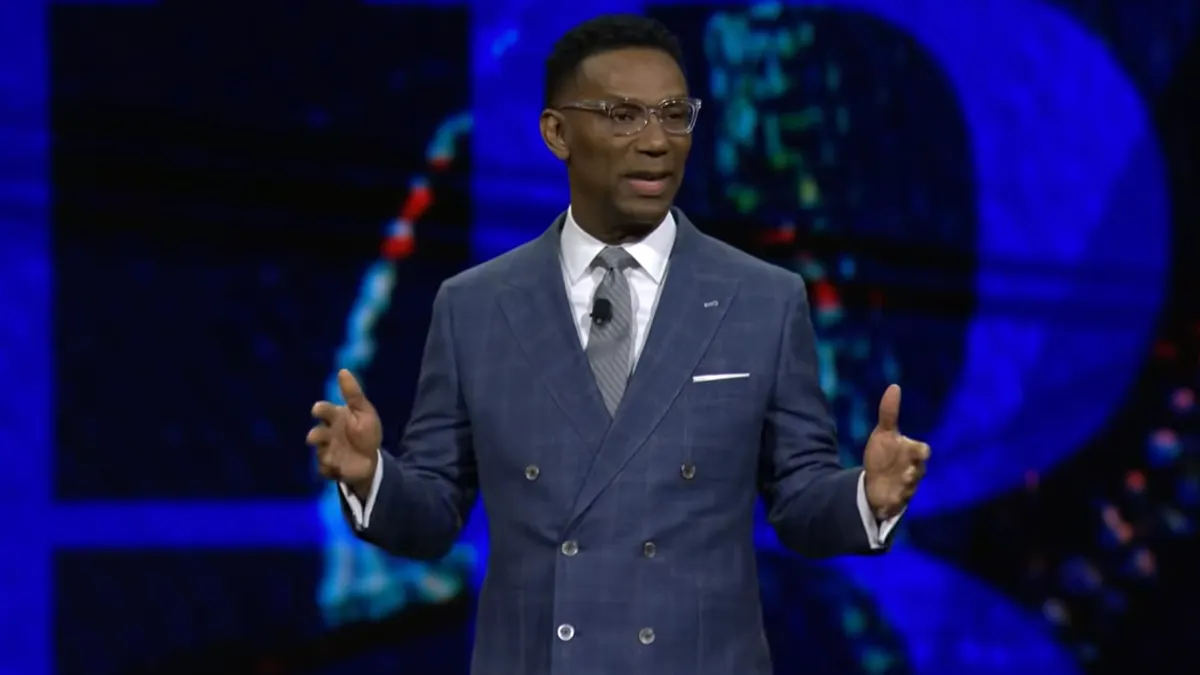
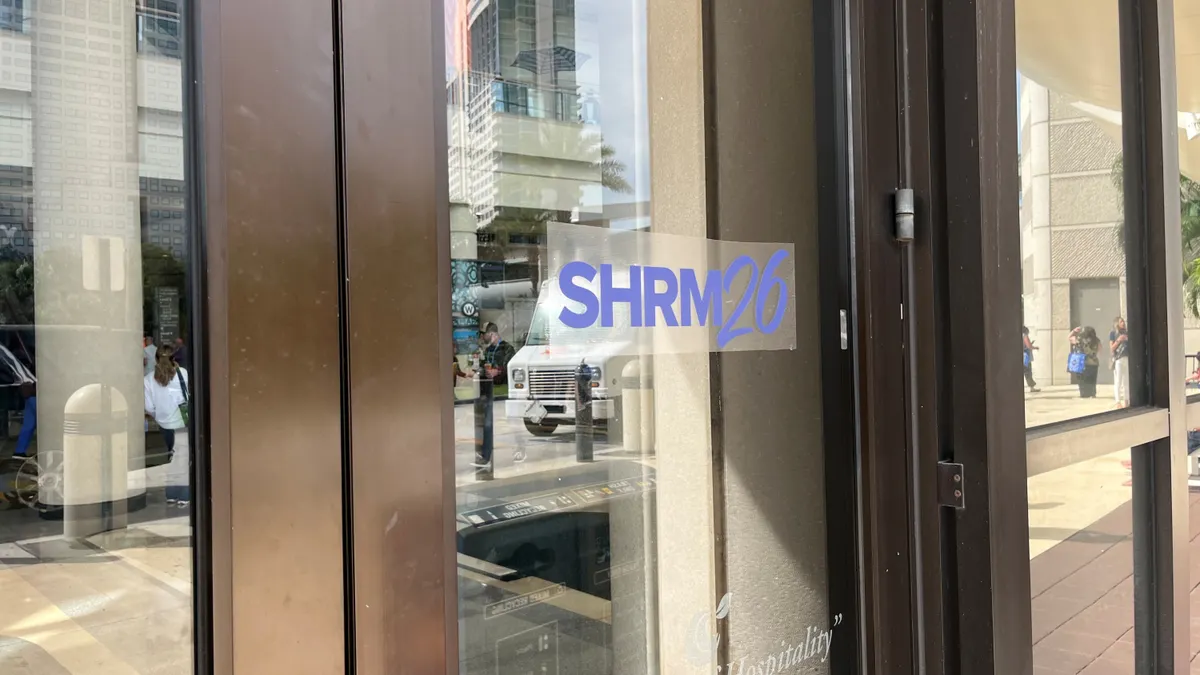
But if employers aren’t careful, their AI tools could overlook an entire category of “hidden talent” that could otherwise fill empty roles, Jacqueline Grant, founder and CEO of The Management Academy, a workforce development organization, told SHRM26 attendees on June 18.
Hidden talent encompasses several groups of nontraditional job candidates such as career switchers, military veterans, graduates of workforce programs and adult learners. These individuals often bring with them credentials and experiences that do not neatly map with traditional recruitment parameters, Grant said, and AI — much like a human recruiter — may fail to understand or even recognize them.
“It’s really about seeing the value of the person, what they have to offer and what their experience might bring to the table,” Grant continued. “That will open up your opportunities for broadening your talent pool, and AI needs to be programmed for that.”
Where hidden talent disappears
In order to find where nontraditional candidates may be falling out of the hiring process, HR should conduct a series of reviews, Grant said. This includes a visibility review, an interpretation review and an employer confidence review.
Visibility reviews are concerned with finding out which candidates are considered for a given role and for which reasons. Grant said that although candidates are responsible for ensuring their capabilities, training and other qualities are visible to employers, HR also must ensure its systems recognize common types of experience or specific key words that show those credentials.
An employer that seeks “AI-ready” candidates, for instance, should be able to clearly articulate to candidates which credentials or experiences it seeks to fulfill that requirement, Grant added.
Interpretation is a related concept and refers to the employer’s ability to translate candidates’ experiences to business needs. A candidate may say, for example, that they have experience supervising retail staff without further elaboration. But this kind of work can indicate familiarity with a broad range of duties, Grant said, such as leadership, conflict resolution and workforce communication.
“It is also the responsibility of the organization doing the interview to make sure that they are receiving the translated information in such a way that it fits their particular organization,” Grant said.
This process also improves confidence, she continued, as hiring managers often find a disconnect between the credentials candidates place on a resume and what they present during an in-person interview. Employers can conduct confidence reviews in part by analyzing which candidates end up advancing with their organizations or which ones fail to do so.
Human oversight and governance are crucial
AI can improve hiring decision quality, but it also can perpetuate the biases of the employer. Moreover, a 2025 study by researchers at the University of Washington found that human recruiters generally adopted the biases of AI tools they had used to select job candidates.
HR must remember that it is responsible for what AI produces and that human beings must make final recruiting decisions, Grant said. To that end, it’s important for employers to avoid “familiarity traps,” or screening for criteria held by current employees so as to thin talent pools.
“If you want to expand, you have to go beyond the familiar colleges, places and industries you might recruit from,” she said. “We often repeat signals associated with previous hires and past successes. Even those signals don’t necessarily predict the performance that we want.”
Instead, recruiters should design AI tools that are capability-focused and can identify employees who have transferable skills, are potential-driven and who have diverse experiences, Grant continued. Other factors like exact tile and keyword matches in resumes, linear career progressions, prestige employers and industry familiarity may be worth reconsidering.
Automation cannot always capture nuances that exist beyond an employee’s job description, Grant said. Human oversight also provides context, judgment, adaptability and ethical reasoning skills that AI may not easily replicate. To better pinpoint where oversight is needed, Grant advised attendees to identify “human review trigger points” within the process, such as occasions when candidates reference nontraditional experiences or career paths.
Employers also must ensure that any AI or recruitment vendors are aligned with these standards as part of their governance strategies, Grant noted.
“Organizations that thrive will not simply automate hiring,” she said. “Better judgment means combining technology as well as that intentional human insight.”