A jury should decide whether a Pennsylvania home health company intentionally misclassified employees as independent contractors to avoid paying them overtime, a judge decided Feb. 13 (Chavez-DeRemer v. Amazing Care Home Healthcare Services).
Facts of the case
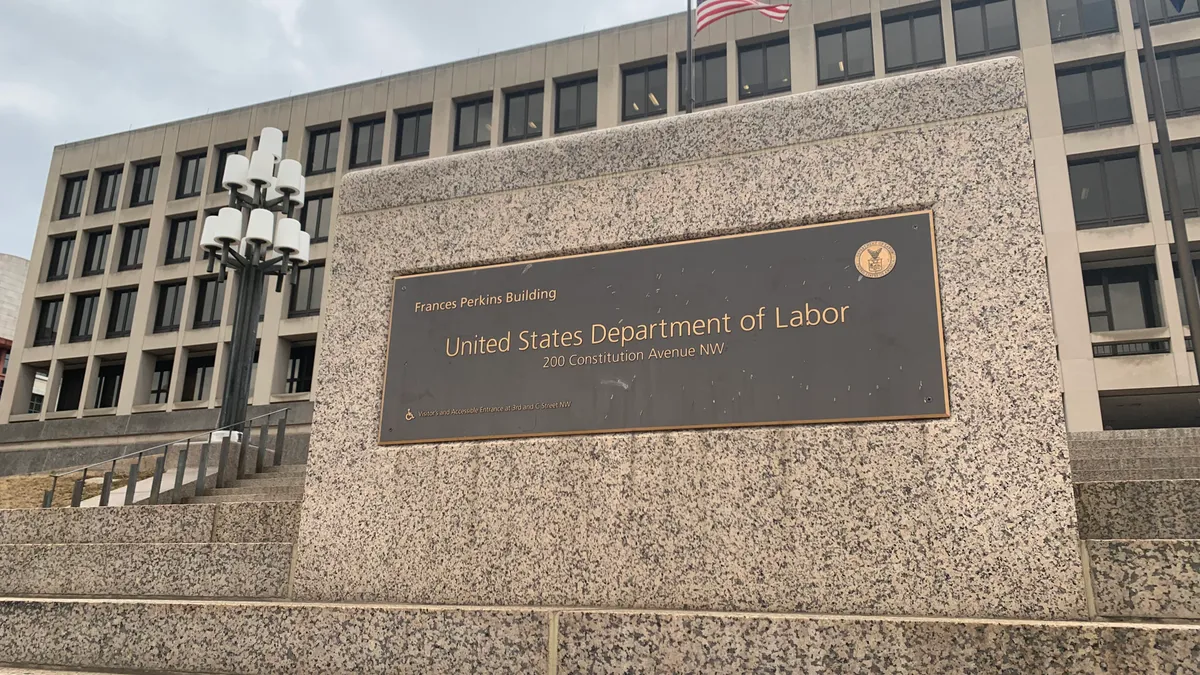
Following an investigation, the U.S. Department of Labor sued Amazing Care Home Healthcare Services, alleging it improperly paid some workers as independent contractors — including those who worked significant overtime or who simply “preferred” such a classification.
The workers were employees because the company exercised control over their work; set their wages; required them to report lateness or absence; and evaluated their performance, the agency said. It alleged unpaid overtime amounted to $5.9 million and sued the employer.
A judge agreed with some of DOL’s findings, granting summary judgment for the agency on the classification question and also on claims alleging recordkeeping violations and seeking liquidated damages.
The court declined summary judgment on other claims, however, pointing to a dispute over whether the workers were paid overtime at some point during the relevant period; it also said a jury should determine whether the alleged violations were willful and the amount potentially owed.
Counsel for the employer did not respond to a request for comment and DOL did not provide a comment by press time.
Employer takeaway
While DOL provides guidance on determining whether a worker is an “employee” as defined by the Fair Labor Standards Act — and therefore entitled to its minimum wage and overtime protections — the agency’s position on that issue has changed over the years as the White House has changed hands.
In May 2025, DOL said it would not enforce Biden-era regulations on the topic that adopted a “totality-of-the-circumstances” framework for classifying workers. It noted, however, that the rule would still apply in private litigation. For its part, however, DOL said it would rely on documents that supported an “economic reality” test — like the one advanced during President Donald Trump’s first administration.
DOL has drafted a proposed replacement regulation, which is currently under review at the White House. If the agency codifies an economic reality framework, a 2020 proposal could provide some insight on what it might entail. That rule relied primarily on the nature and degree of a worker’s control over the work, and the worker’s opportunity for profit or loss based on initiative and investment. Employers were also advised to consider — to a lesser extent — the amount of skill required for the work; the degree of permanence of the working relationship between worker and potential employer; and whether the work is part of an “integrated production unit.”