More than half of American workers say they feel lonely, which has major implications for business operations, according to a recent report from The Cigna Group.
Lonely workers were twice as likely to say they’ve come to work “feeling mentally somewhere else,” as well as more likely to miss at least one workday per month and more likely to look for new work.
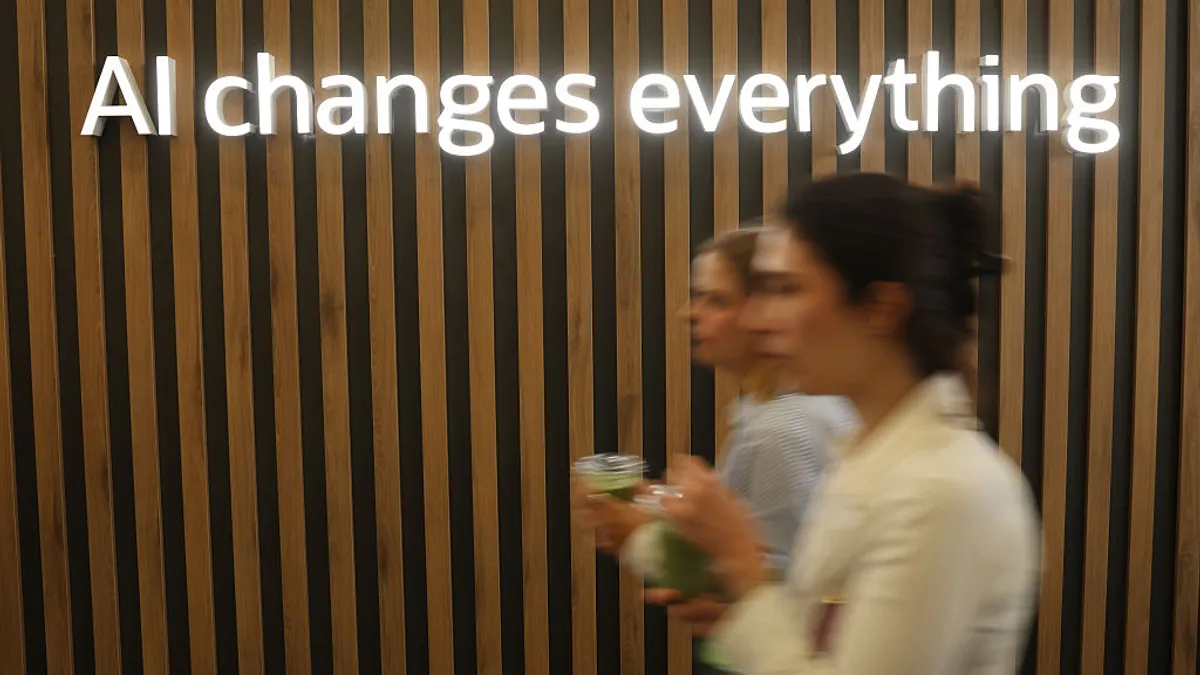
As more workplaces integrate artificial intelligence tools, employees are reporting higher workplace loneliness levels and a need for human connection, according to a Moo report. Creating a better onboarding experience and assigning a mentor or peer support can help, the report found.
In Cigna’s survey of more than 7,500 U.S. adults, younger workers reported higher levels of loneliness, while Generation X and baby boomers said they experienced more severe mental health issues tied to loneliness, such as anxiety and depression.
Caregivers, in particular, reported feeling isolated. Parents of young children and those providing unpaid care to adults or disabled individuals noted that they’re rarely alone but often lonely. Caregivers under age 45 had higher levels of emotional burden and stress than older caregivers.
In contrast, workers who aren’t lonely were significantly more likely to say they’re willing to work harder to help their company succeed, the report found.
In response, employers can create a workplace where people feel less isolated and more connected — and managers play a key role in providing support, the report found. Leaders can empower their managers to advocate for and model work-life balance. For instance, lonely workers who felt their employer supports a healthy work-life balance were 10 times more likely to report vitality at work.
In addition, managers can foster a culture of inclusion and belonging to help their team members feel less lonely. Employee resource groups, team-building activities and in-person or virtual breaks can encourage employees to strengthen connections through social interactions, the report found.
Managers can also build genuine relationships with their team members through empathetic leadership. Workers who felt lonely but understood by their manager were more than twice as likely to report high vitality, compared to those who felt misunderstood.
In an era of loneliness, workplaces with a sense of belonging can help employees feel seen, heard and connected at work, according to a report from McLean & Co. HR pros can incorporate belonging into the employee experience by creating opportunities for connection, recognition and empowerment, the firm said.