Dive Brief:
- West Virginia-based Wrightway Ready-Mix and affiliate Wright Concrete & Construction allegedly refused to hire an applicant for a laborer position because he was taking methadone to treat an opium addiction, the U.S. Equal Employment Opportunity Commission claims in a class action lawsuit filed Dec. 3.
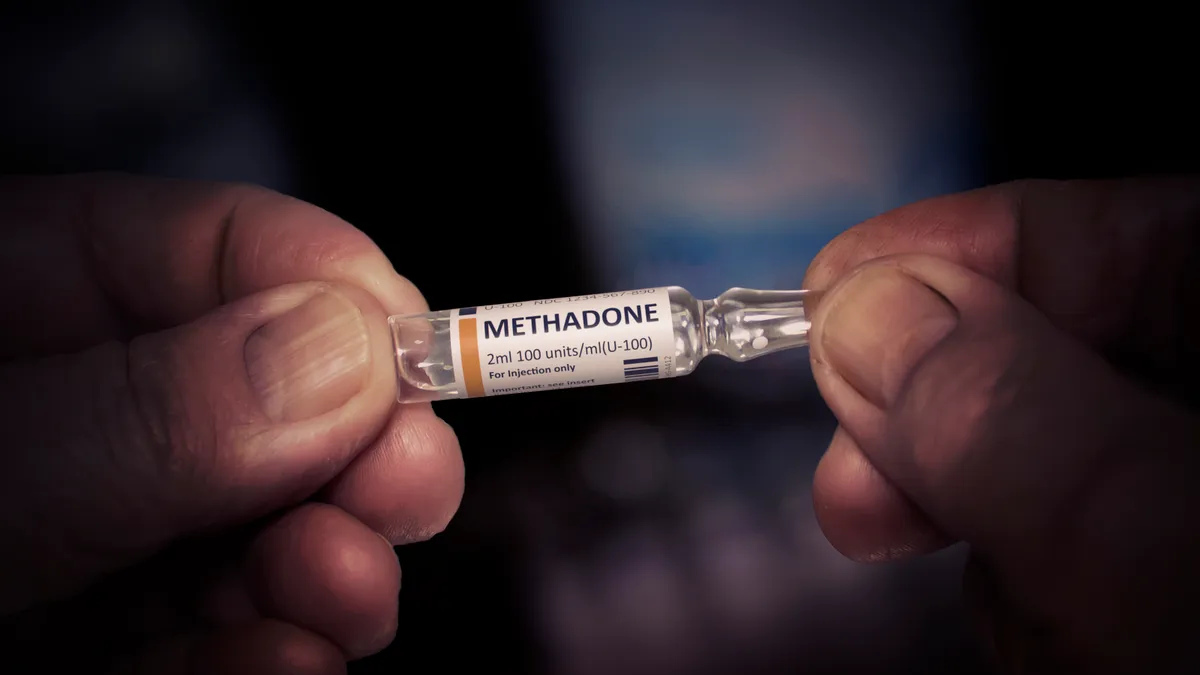
- Per the complaint in EEOC v. Wrightway Ready Mix LLC, during the applicant’s job interview, Wrightway’s hiring manager allegedly asked him if he was taking any medication. When the applicant said he took methadone, the hiring manager — and later the onsite head of HR — allegedly told him he couldn’t be hired due to company policy. Under the policy, Wrightway will not employ anyone who takes methadone, Suboxone or other medication used to treat opioid addiction or other substance use disorders, the lawsuit alleged.
- The EEOC sued Wrightway and Wright Concrete for allegedly violating the Americans with Disabilities Act by refusing to hire the applicant and a class of applicants on the basis of a disability (opioid- or other substance-use disorders), their records of such disabilities and by regarding them as disabled. The companies also allegedly subjected the applicants to unlawful selection criteria and an unlawful pre-employment medical inquiry, the lawsuit claimed.
Dive Insight:
For HR and other relevant managers, the lawsuit highlights potential ADA missteps during the hiring process. Primarily, although the ADA doesn’t cover people currently using illegal drugs, it does protect those with a past addiction, an EEOC guidance states.
This protection extends to “workers who are taking methadone and other medications as part of their recovery,” EEOC Regional Attorney Debra Lawrence stressed in a media release.
For example, in 2021, EEOC obtained a $60,000 settlement from Professional Transportation, which it sued in 2020 for allegedly refusing to hire an applicant for a driver position because of her Suboxone treatment. EEOC alleged the company rejected the applicant based on its own research without considering whether the applicant actually experienced any side effects.
Similar to the Professional Transportation case, Wrightway never asked the applicant about his prescribed use of methadone, any side effects or any possible risk it might present to his ability to safely perform the essential functions of a laborer or any other position at the company, EEOC alleged. Wrightway did not respond to a request for a comment.
Relatedly, the Wrightway lawsuit also highlights potential confusion over pre-employment medical inquiries. Under the ADA, an employer may not ask disability-related questions until after it makes a conditional job offer, EEOC guidance explains. A disability-related question is one likely to elicit information about a disability, such as asking applicants what medications they are taking, the guidance says.
Additionally, the lawsuit claims Wrightway’s alleged policy of refusing to hire applicants taking medication-assisted treatment for substance abuse addiction is an unlawful selection criterion or qualification standard under the ADA because it screens out, or tends to screen out, individuals with a disability or a class of individuals with disabilities.