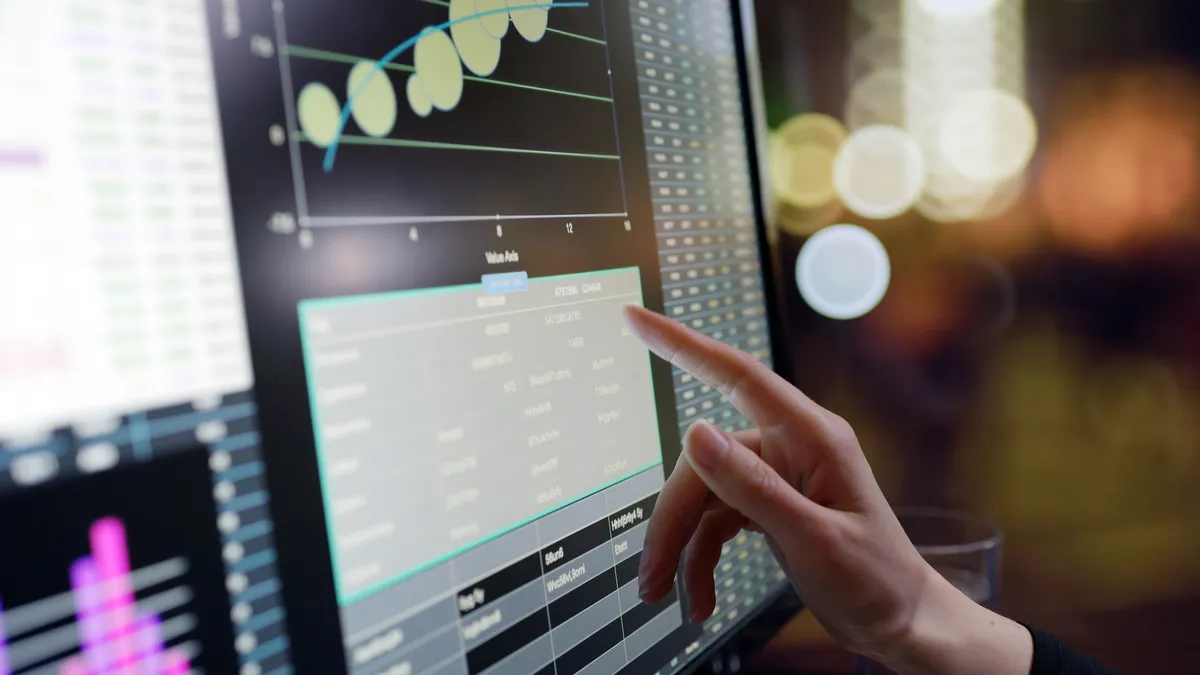
Digital surveillance can affect workers’ physical and mental health — in both positive and negative ways, according to a recent report from the U.S. Government Accountability Office.
For instance, monitoring tools or apps can alert employees about potential health problems or increase their sense of safety. However, these technologies can also increase anxiety or the risk of injury by pushing workers to move faster to meet productivity goals.
“Employer surveillance of workers has become more widespread as the number of people working remotely has increased and the types of surveillance technologies available have expanded,” GAO researchers wrote in the report.
“Sometimes referred to as ‘bossware,’ digital surveillance tools can provide employers with information to help improve their operations,” the researchers noted. “Some worker advocates, however, have questioned whether employers can use these tools in ways that negatively affect workers.”
In 2024, the GAO issued its first report on digital surveillance of workers, which included stakeholder views about the most frequently used tools and how these tools affect productivity and concerns about worker privacy.
In the 2025 report, based on a review of 122 studies and interviews with 11 organizations, the GAO looked more closely at the effects of digital surveillance. Researchers noted both the positive and negative effects of the tools, which often depend on employers’ practices, particularly “how transparent they are about what information they collect.”
Importantly, the researchers wrote, the design or incorrect use of certain digital surveillance tools can limit employers’ ability to accurately assess performance. For instance, some tools may use flawed productivity benchmarks, not account for the full range of worker tasks and responsibilities, or be used by employers for unintended purposes.
“These types of limitations could make some workers more prone to experiencing negative effects on employment opportunities, such as low performance evaluations, lower pay, disciplinary actions or termination,” the researchers wrote.
Digital surveillance concerns have become more prevalent as employers pair artificial intelligence tools with monitoring tools to understand worker data, sources told HR Dive. To build employee trust, companies need to communicate effectively about what’s being tracked, though the legal and ethical implications remain murky.
In general, though, employees say they remain suspicious of employer monitoring, according to a Glassdoor report. Some workers said surveillance makes them feel less productive, while others said it led them to actively sabotage their organization or find a new job.